Turn on cookies to sign in
Signing in saves your progress to your Curie account. We can only do that with cookies on — turn them on to continue.
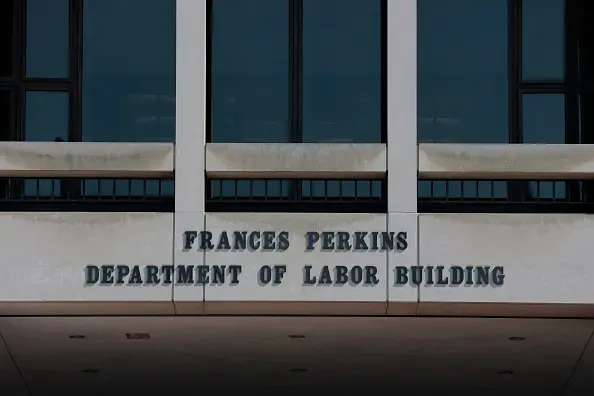
The Department of Labor has finalized a rule requiring pharmacy benefit managers (PBMs) to disclose fees, rebates, and compensation to self-insured employer clients — starting July 2027. The rule is expected to save employers and workers $22 billion over a decade. Employers are cheering the move, while PBMs are calling it government overreach and warn it could raise costs and reduce competition.
The Trump administration's Department of Labor has finalized a sweeping rule requiring pharmacy benefit managers (PBMs) to disclose detailed compensation data — including manufacturer rebates and "spread pricing" payments — to self-insured employer clients. Taking effect in July 2027, the rule mandates disclosures at contract negotiation, every six months thereafter, and allows employers to audit PBM data annually. Non-compliant PBMs face financial penalties and potential contract invalidation.
Employer groups are welcoming the rule as a long-overdue check on an opaque industry. The "Big Three" PBMs — Cigna's Express Scripts, CVS' Caremark, and UnitedHealth's Optum Rx — control roughly 80% of U.S. prescriptions, and critics say their hidden fee structures have made it nearly impossible for employers to assess whether they're getting a fair deal. The PBM lobby, however, is pushing back firmly, arguing the rule is duplicative with PBM reforms already enacted in the Consolidated Appropriations Act of 2026 and could drive smaller PBMs out of the market.
By the Numbers:
Why it matters: This rule marks a significant shift in the balance of power between employers and PBMs, giving businesses real visibility into how drug middlemen profit from their health plans — and the leverage to negotiate better deals for their workers.