Turn on cookies to sign in
Signing in saves your progress to your Curie account. We can only do that with cookies on — turn them on to continue.
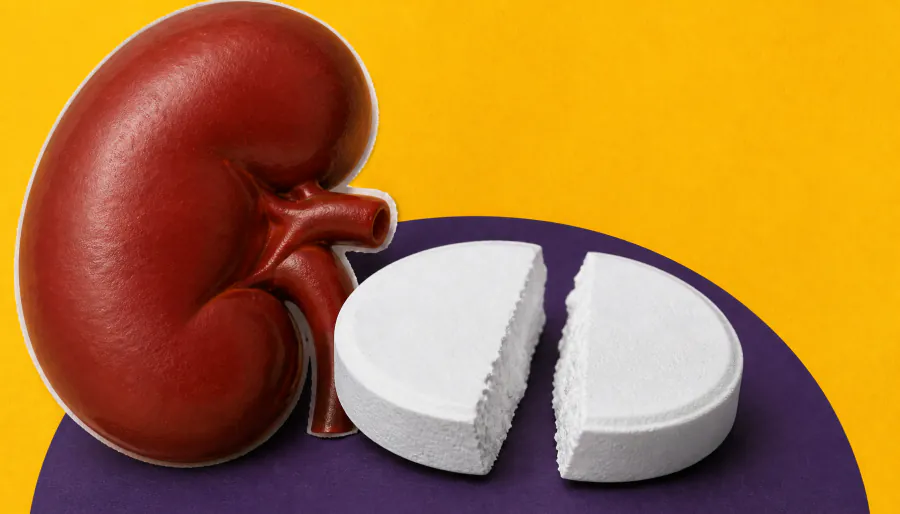
Low-dose aspirin didn't significantly cut major cardiovascular events in chronic kidney disease patients, the ATTACK trial found. While there was a hint of benefit — a 27% relative risk reduction — it didn't reach statistical significance. Experts say it's too soon to recommend aspirin for primary CV prevention in CKD.
The ATTACK trial, the first large-scale study to examine aspirin for primary cardiovascular prevention in chronic kidney disease (CKD), came up short. Presented at ASN Kidney Week 2026, the randomized trial found that daily low-dose aspirin (75 mg) did not significantly reduce the composite of non-fatal heart attack, non-fatal stroke, or cardiovascular death compared to usual care over a mean follow-up of 3.1 years.
There was one bright spot: aspirin did show a significant reduction in non-fatal stroke specifically. But overall, the trial's lead investigator, Dr. Hugh Gallagher, was clear — "We're not in a place where we should be offering aspirin for primary prevention at this stage." The trial was also significantly underpowered, enrolling just 4,633 of a planned 25,000 participants due to pandemic disruptions, making firm conclusions difficult.
By the Numbers:
Why it matters: CKD patients carry a disproportionately high cardiovascular burden, yet treatment options remain limited. While aspirin's role in secondary prevention is established, its use for primary prevention in this high-risk group remains unresolved. Researchers are now pooling data with the Antithrombotic Trialists' Collaboration for a meta-analysis that may finally provide a clearer answer.