Turn on cookies to sign in
Signing in saves your progress to your Curie account. We can only do that with cookies on — turn them on to continue.
Obesity hits women differently — and hormones are a big reason why. From puberty to menopause, hormonal shifts make women more vulnerable to weight gain and its downstream health risks. Experts say treatment must be individualized to each life stage, and newer tools like GLP-1 drugs are promising — but they're a long-term commitment, not a quick fix.
Obesity doesn't affect men and women the same way — and for women, hormonal changes at key life stages make the disease especially complex. From puberty triggering earlier onset due to excess adiposity, to pregnancy weight retention, to menopause-driven shifts toward visceral fat, women face a uniquely evolving set of metabolic risks throughout their lives. A narrative review found that nearly 42% of U.S. women aged 25+ were living with obesity in 2021, a figure projected to reach 59% by 2050.
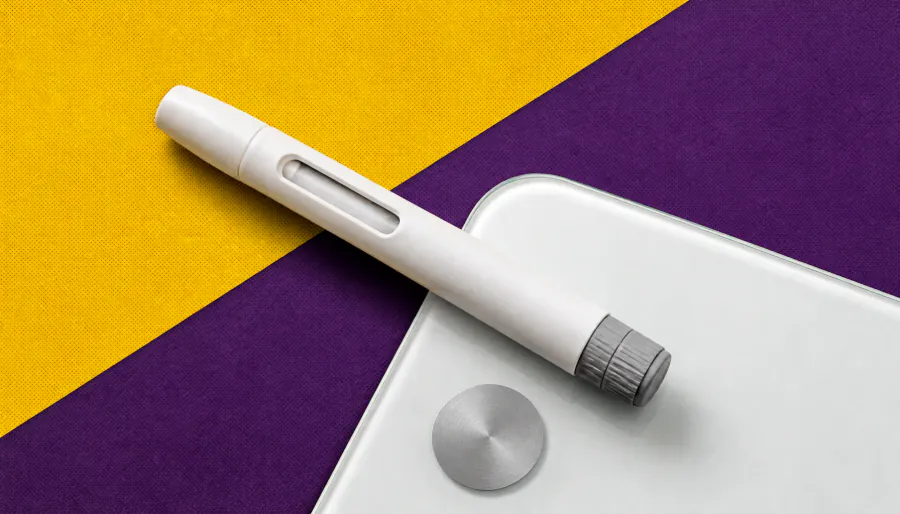
Experts emphasize that treatment must be tailored to each life stage. GLP-1 receptor agonists and dual GIP/GLP-1 drugs have shown strong results across the board — but none are approved during pregnancy or breastfeeding, and stopping them means the weight comes back, much like discontinuing blood pressure medication.
Key Takeaways:
Why it matters: Women's obesity care has long been under-researched and under-treated. With rising prevalence and powerful new medications available, closing the gap between who needs treatment and who receives it — especially across reproductive and menopausal transitions — is more urgent than ever.