Turn on cookies to sign in
Signing in saves your progress to your Curie account. We can only do that with cookies on — turn them on to continue.
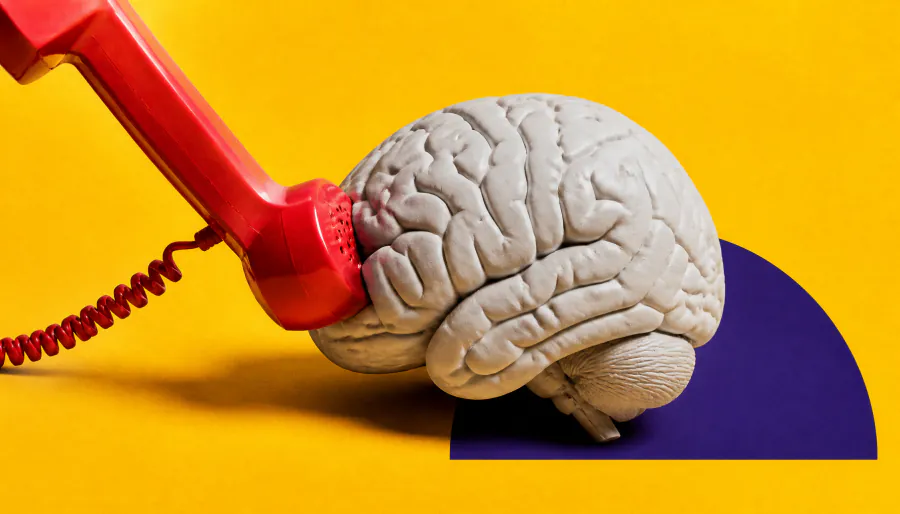
Time is the enemy when it comes to stroke — yet too many patients still wait before calling for help. On World Stroke Day, stroke expert Dr. Brian Snelling highlights persistent gaps in public awareness, atypical symptom recognition, and care disparities in underserved communities. His core message: if you spot the signs, note the time and call 911 immediately.
Every minute a large-vessel stroke goes untreated, roughly 1.9 million neurons are lost — yet many patients still hesitate before calling 911, waiting to see if symptoms pass or calling a family member first. On World Stroke Day (October 29), Brian Snelling, MD, director of the stroke program at Marcus Neuroscience Institute, spoke with NeurologyLive about where awareness gaps persist and what clinicians can do about it.
Beyond the classic FAST symptoms, atypical signs like sudden dizziness, vision loss, or loss of balance — hallmarks of posterior circulation strokes — are frequently dismissed, especially in younger patients and women. Meanwhile, many people don't realize that thrombectomy can now benefit select patients up to 24 hours after symptom onset, meaning the belief that "nothing can be done" is both outdated and dangerous.
Key Takeaways:
Why it matters: Hospital systems have gotten faster once a patient arrives — but the gap between symptom onset and the 911 call remains stubbornly wide. Closing that gap through targeted community education, multilingual outreach, and empowering the full care team could meaningfully improve stroke outcomes across the board.