Curie Brief
Turn on cookies to sign in
Signing in saves your progress to your Curie account. We can only do that with cookies on — turn them on to continue.
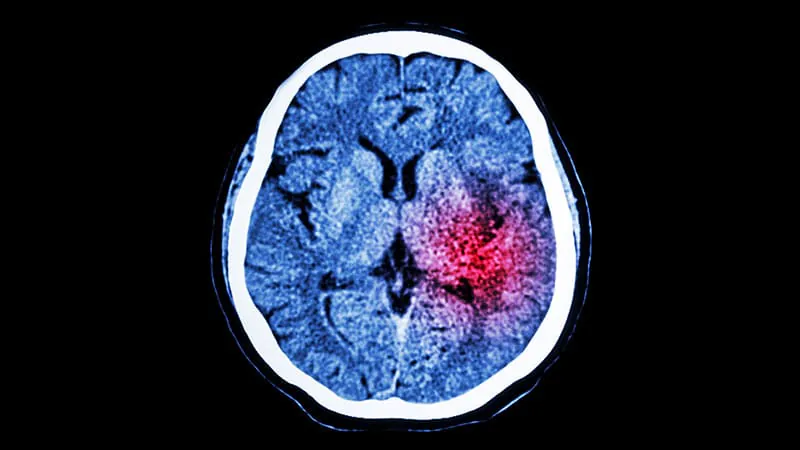
Strokes among younger adults have nearly doubled over the past three decades, and experts are alarmed. A study spanning 1993–2020 found stroke rates in adults aged 20–54 jumped from 33.9 to 62.2 cases per 100,000 person-years, driven largely by ischemic strokes. The silver lining? Survival rates have improved — but that means more young people are now living with long-term stroke-related disability.
Strokes have long been thought of as an older person's problem — but a major new study is challenging that assumption. Researchers analyzing nearly three decades of data from the Greater Cincinnati and Northern Kentucky region found that stroke rates among adults aged 20–54 nearly doubled between 1993 and 2020, rising from 33.9 to 62.2 cases per 100,000 person-years. Over the same period, stroke rates among older adults actually declined, making the trend among younger adults all the more striking.
The rise was driven almost entirely by ischemic strokes — the kind caused by blocked blood vessels — which nearly doubled from 23.8 to 47.3 cases per 100,000 person-years. Researchers also noted that risk factors like high blood pressure, diabetes, and atrial fibrillation became more common among younger stroke patients, as did substance use, which jumped from 4.6% to 40.2% — largely tied to increased marijuana use. Importantly, the study could not establish whether these risk factor changes directly caused the rise in stroke rates.
By the Numbers:
Why it matters: Improved survival is encouraging, but it comes with a significant caveat — more young adults are now living with lasting stroke-related disabilities affecting movement, speech, and memory. Experts say cardiovascular risk prevention needs to start much earlier in life, and more research is urgently needed to understand — and reverse — this concerning trend.