Turn on cookies to sign in
Signing in saves your progress to your Curie account. We can only do that with cookies on — turn them on to continue.
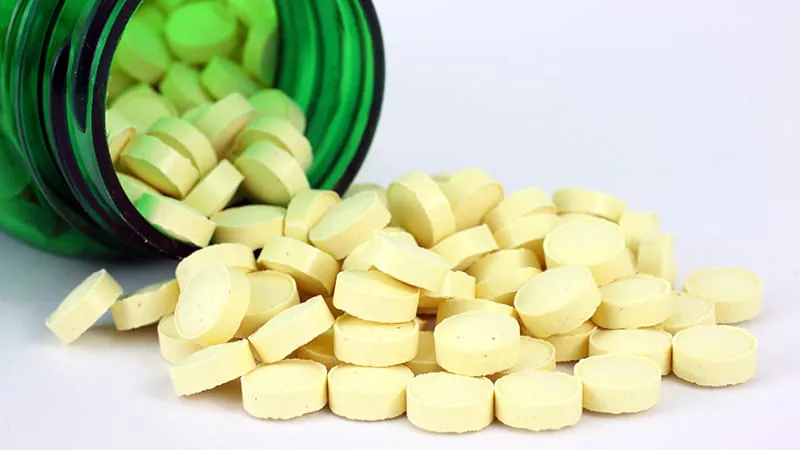
Could a cheap vitamin help prevent suicide? A new Swedish study complicates earlier optimism around folic acid. Higher prescription rates were linked to lower suicide deaths in men aged 25–29, but higher deaths in men aged 20–24 — and no effect at all in women. Researchers say individual-level studies are needed before folic acid can be seriously considered a suicide-prevention tool.
Earlier research had raised hopes that folic acid — a cheap, widely available vitamin B9 supplement — could meaningfully reduce suicide risk. A 2022 US study of over 800,000 adults found folic acid prescriptions were tied to a 44% lower risk of suicide events. But a new Swedish study is adding important nuance to that picture.
Analyzing national registry data from 2006 to 2021, Swedish researchers found that folic acid prescription rates had opposite effects depending on age group in men — and no measurable effect in women at all. Lead author Dr. Jussi Jokinen noted that the findings "dampen a little bit of this enthusiasm" around folic acid as an easy add-on for suicide prevention.
By the Numbers:
Why it matters: Suicide is the second leading cause of death among teens and young adults in the US, making any potential prevention tool significant. These conflicting, age- and sex-dependent findings highlight that the science isn't settled. Experts agree that individual-level longitudinal studies — accounting for why folic acid was prescribed and patients' full clinical profiles — are essential before it can be recommended as a suicide-prevention strategy.