Turn on cookies to sign in
Signing in saves your progress to your Curie account. We can only do that with cookies on — turn them on to continue.
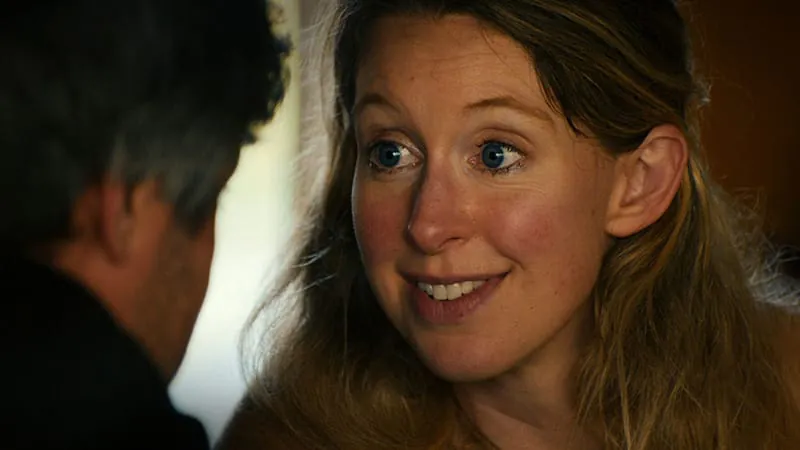
Elizabeth Holmes promised hundreds of diagnostic results from a single fingertip drop — and failed spectacularly. But legitimate researchers are quietly making real progress on small-sample blood testing, even if a true "Theranos that works" is still years away. Here's where the science actually stands.
Elizabeth Holmes's Theranos promised over 200 diagnostic tests from a few drops of fingertip blood — a vision that captivated investors and patients alike before collapsing into fraud. Now, as Holmes's story gets the documentary treatment, researchers are revisiting the underlying question: how close can real science get to that promise?
The honest answer is: closer, but not there yet. Stanford geneticist Michael Snyder's lab can now profile around 7,000 molecules from just 10 µL of blood — work he calls "Theranos that works" — but it remains largely a research tool. Meanwhile, FDA-cleared devices like the Piccolo Xpress and Truvian Health's countertop analyzer are already running multi-test panels in clinics during patient visits, though they still rely on venous draws for most applications.
The core challenges are real: fingertip blood varies significantly between drops, different tests require incompatible sample prep, and anticoagulants can skew results. Each advance needs rigorous clinical validation before it can guide medical decisions.
Key Takeaways:
Why it matters: Theranos exposed the danger of overpromising in diagnostics. But the underlying goal — faster, less invasive testing — remains clinically valuable, especially for ICU patients and those needing frequent monitoring. Separating hype from genuine progress is essential for both clinicians and patients.