Turn on cookies to sign in
Signing in saves your progress to your Curie account. We can only do that with cookies on — turn them on to continue.
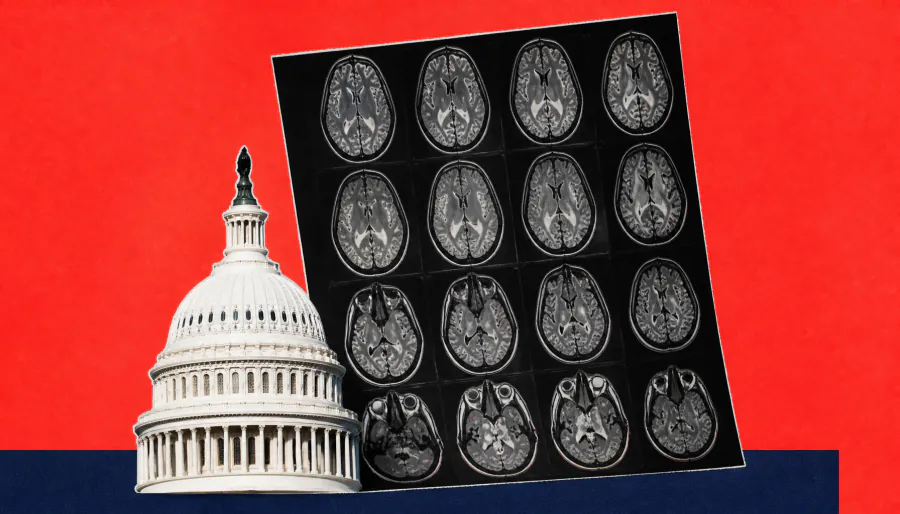
The federal government just got serious about getting ahead of Alzheimer's. HHS has updated its National Plan to Address Alzheimer's Disease and Related Dementias, pivoting toward prevention and earlier detection. The revamped plan comes with nearly $49 million in new funding and a fresh FDA program aimed at accelerating Alzheimer's prevention strategies.
The federal government just got serious about getting ahead of Alzheimer's. HHS has released its 2026 update to the National Plan to Address Alzheimer's Disease and Related Dementias — a major strategic shift that moves the focus from managing the disease to preventing it and catching it earlier. The plan, originally launched in 2012, has been streamlined from six goals down to four: reducing dementia risk across the lifespan, accelerating research and innovation, improving care throughout the disease course, and strengthening support for patients and families.
To back up the new direction, HHS announced up to $48.8 million in ARPA-H funding for new projects. The biggest chunk — up to $41 million — goes to Mass General Brigham to build a drug-testing platform that will evaluate whether already-approved drugs, supplements, and other compounds could be repurposed to treat Alzheimer's. The FDA also launched the Alzheimer's Prevention Accelerator, the first initiative under its new Neuroscience Advancement and Innovation Nexus (NAIN) program.
By the Numbers:
Why it matters: Alzheimer's affects millions of Americans, and treatment options remain limited. By shifting toward prevention and earlier detection — and building infrastructure to test interventions faster — this plan could meaningfully accelerate the path to effective therapies before the disease takes hold.