Turn on cookies to sign in
Signing in saves your progress to your Curie account. We can only do that with cookies on — turn them on to continue.
Keeping life-saving cell therapies cold is expensive and risky — but that could soon change. ARPA-H has tapped ATCC to independently evaluate new BioStabilization technologies aimed at storing cell therapies at room temperature, no freezer required. If successful, the shift could slash costs, simplify distribution, and bring advanced treatments to patients in underserved or resource-limited settings.
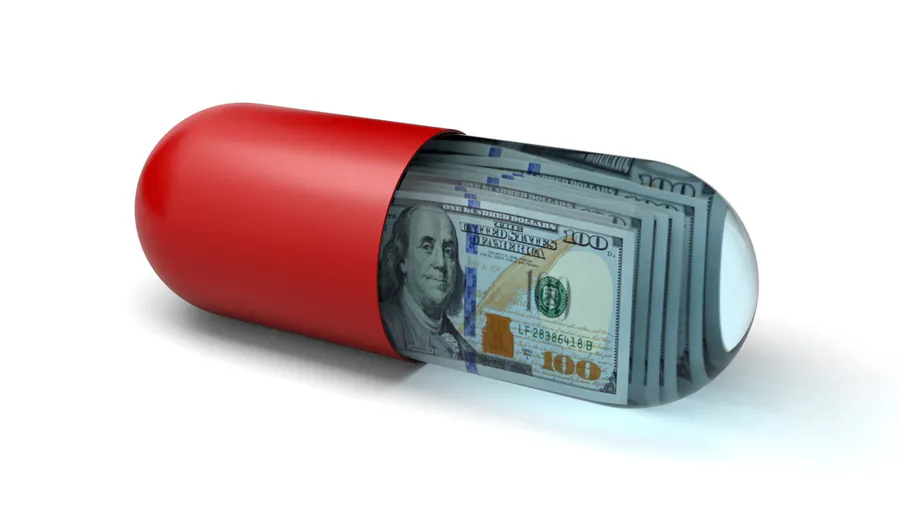
Cold-chain logistics have long been one of the biggest headaches in delivering cell-based therapies — a single temperature slip can destroy a dose worth hundreds of thousands of dollars, and the infrastructure required adds tens of billions of dollars annually to the healthcare system. Now, ARPA-H's BioStabilization Systems (BoSS) program is taking aim at that problem with an ambitious goal: making cell therapies storable at room temperature, much like aspirin.
To help get there, ARPA-H has selected ATCC to serve as an independent verification and validation (IV&V) partner. ATCC will supply standardized cell banks and benchmarks to BoSS technology developers, then objectively assess how each approach preserves cell quality, reproducibility, scalability, and ease of use — giving ARPA-H the data it needs to compare competing solutions.
By the Numbers
Why it matters: If room-temperature stabilization becomes viable, it could fundamentally reshape how cell therapies are distributed — reducing costs, eliminating cold-chain failures, and expanding access to advanced medicines in low-resource settings where refrigerated transport simply isn't an option.