Turn on cookies to sign in
Signing in saves your progress to your Curie account. We can only do that with cookies on — turn them on to continue.
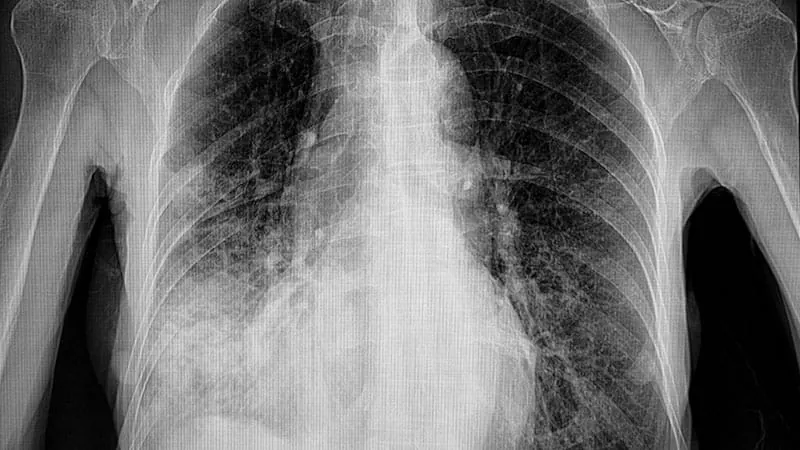
Getting sick with a respiratory infection isn't just a lung problem — it can seriously threaten your heart. A large systematic review of ~190 million patients found that respiratory tract infections like COVID, influenza, RSV, and pneumonia significantly raise the risk of heart attacks, strokes, and cardiovascular death. Alarmingly, the elevated risk can persist for up to a year after the initial infection.
Respiratory infections aren't just a short-term nuisance — they can have lasting consequences for your heart. A systematic review and meta-analysis of 159 studies covering approximately 190 million patients, presented at IDWeek 2026, found that respiratory tract infections (RTIs) significantly increase the risk of cardiovascular complications, including heart failure, myocardial infarction, ischemic stroke, and thrombosis. The risk was highest within 30 days of infection but remained elevated for up to a year.
Myocardial infarction was the most consistently elevated risk across all pathogens studied. Older adults (65+) infected with COVID faced heightened risk for cerebrovascular disease and thrombosis, while younger patients were more prone to inflammatory heart disease and rhythm disorders.
By the Numbers:
Why it matters: These findings underscore that post-infection care shouldn't stop at recovery from acute illness. Clinicians should consider cardiovascular risk assessment and monitoring for high-risk patients — particularly older adults and those with preexisting conditions — well after a respiratory infection resolves.