Turn on cookies to sign in
Signing in saves your progress to your Curie account. We can only do that with cookies on — turn them on to continue.
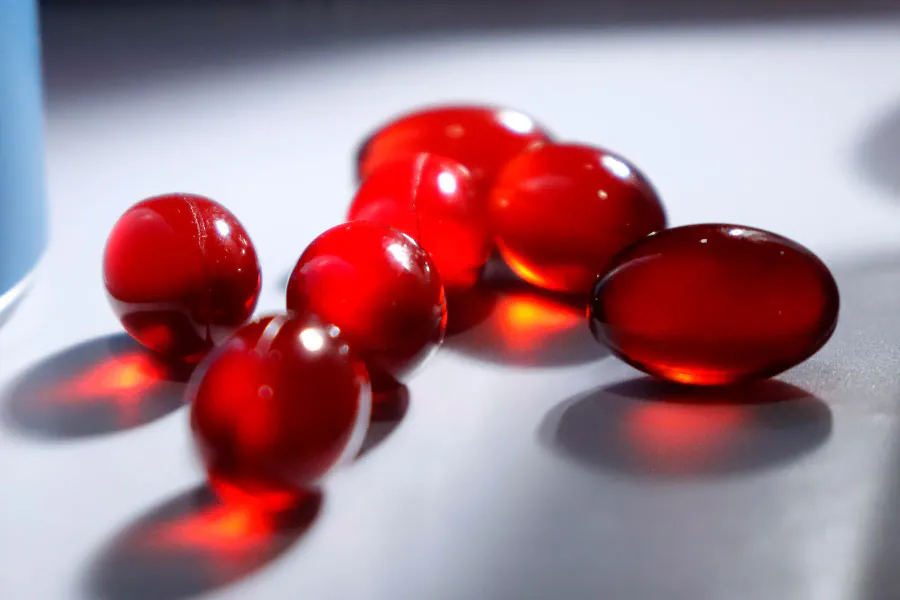
Astaxanthin is all over social media as a "super antioxidant," but does the science back it up? A review of recent human studies finds some modest benefits — particularly for blood sugar and skin hydration — but no solid proof it prevents disease, boosts performance, or protects the brain. Experts say it's neither a miracle supplement nor a total dud.
Astaxanthin, the red-orange pigment found in salmon, shrimp, and krill, has become a social media darling — touted as a skin-saver, fat-burner, brain-booster, and athletic performance enhancer. But a closer look at the clinical evidence tells a more measured story.
The most encouraging data comes from a 2026 meta-analysis of nine randomized controlled trials in people with prediabetes or type 2 diabetes, which found modest reductions in fasting blood glucose (~16 mg/dL) and A1c (~0.34 percentage points), along with some improvements in cholesterol levels. Small studies also suggest possible benefits for skin hydration and elasticity, reduced eye strain during screen use, and certain markers of muscle recovery. However, no significant effects were found on body weight, BMI, insulin resistance, or athletic performance metrics like endurance or maximal oxygen uptake.
Key Takeaways:
Why it matters: With astaxanthin supplements widely available and heavily marketed, clinicians are increasingly fielding patient questions about them. The bottom line: it's generally safe, may offer modest metabolic and cosmetic benefits, but falls well short of the "super antioxidant" label. Patients should be counseled with realistic expectations — neither dismissing it outright nor overpromising results.