Turn on cookies to sign in
Signing in saves your progress to your Curie account. We can only do that with cookies on — turn them on to continue.
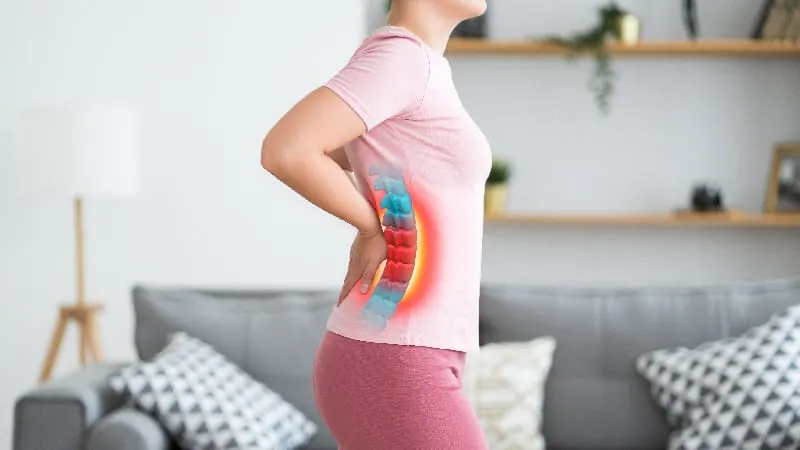
Think twice before reaching for strong opioids for back pain. A large study found that opioid-naïve patients prescribed higher-dose opioids for acute low back pain faced more than double the risk of developing opioid use disorder or experiencing an overdose. Meanwhile, chiropractic care and physical therapy were linked to significantly lower risk — making a strong case for non-drug-first approaches.
High-dose opioids for back pain more than double the risk of addiction and overdose
A major study published in JAMA Network Open found that opioid-naïve Medicaid patients prescribed higher-dose opioids (>50 MME/day) for acute low back pain had more than double the risk of developing opioid use disorder (OUD) or experiencing an overdose compared to those who didn't start high-dose opioids. Even lower-dose opioids (≤50 MME/day) prescribed for more than 7 days were associated with roughly double the risk — a sobering finding for one of the most common pain complaints in clinical practice.
The retrospective study analyzed data from nearly 400,000 opioid-naïve adults across 25 states between 2016 and 2019. On the flip side, patients who started chiropractic care or physical therapy saw their OUD/overdose risk drop by about a third.
By the Numbers
Why it matters: With opioid misuse still a major public health concern, these findings reinforce clinical guidelines urging non-pharmacologic, non-interventional therapies as first-line treatment for acute low back pain. When opioids are necessary, keeping doses low and duration short remains the prudent approach.