Turn on cookies to sign in
Signing in saves your progress to your Curie account. We can only do that with cookies on — turn them on to continue.
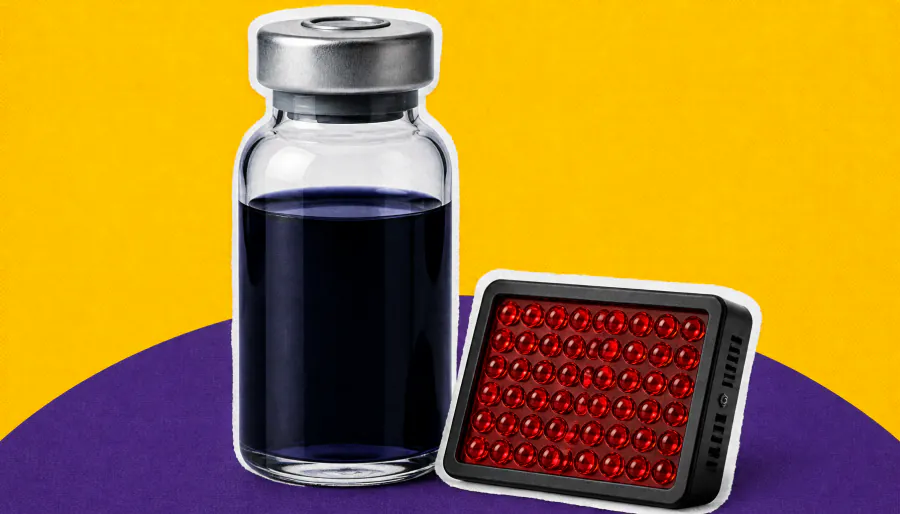
A new review suggests methylene blue photodynamic therapy — combining a light-sensitive dye with red light — may help heal some of the toughest chronic wounds, including diabetic foot ulcers. Across seven small studies, some patients achieved complete wound healing with no serious side effects. Researchers say larger, well-designed trials are needed to confirm the findings and nail down the best treatment protocols.
Diabetic foot ulcers are notoriously difficult to treat, but a new review published in JAAD Reviews suggests methylene blue photodynamic therapy (MB-PDT) — a combination of a photosensitizing dye and red light — could be a promising addition to the wound care toolkit. Researchers at Duke University analyzed seven studies involving 102 patients and found that MB-PDT was associated with meaningful wound healing outcomes, including complete healing in some cases.
The therapy works by leveraging methylene blue's photosensitizing and antimicrobial properties when activated by red light (635–660 nm). Four of the seven studies focused on diabetic foot ulcers, while three examined chronic infected ulcers. Importantly, no serious adverse events were reported — though some patients temporarily experienced blue-tinted skin or urine.
By the Numbers:
Why it matters: Diabetic foot ulcers are a leading cause of amputation and carry significant morbidity. While the current evidence base is small and protocols vary widely, MB-PDT's favorable safety profile and early efficacy signals make it a compelling candidate for further study in a space that desperately needs better options.