Turn on cookies to sign in
Signing in saves your progress to your Curie account. We can only do that with cookies on — turn them on to continue.
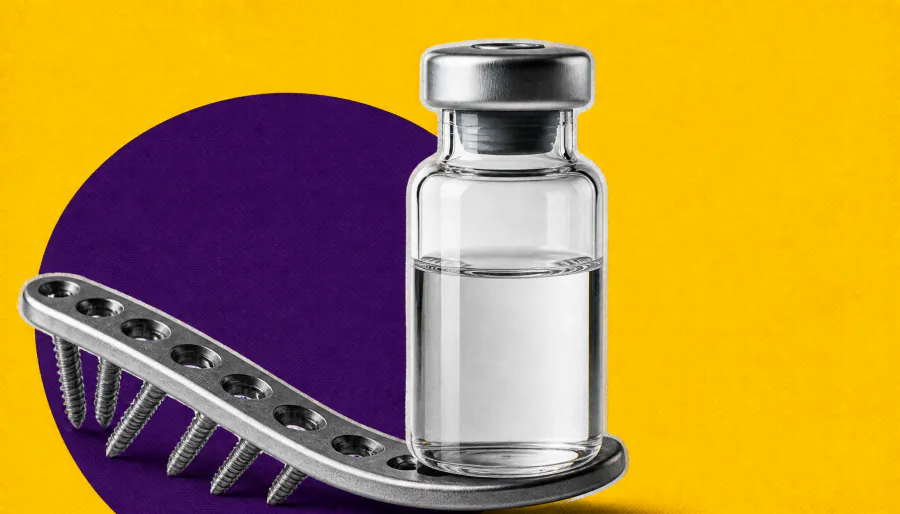
A simpler antibiotic regimen could work just as well for serious fractures. A retrospective study found that ceftriaxone monotherapy produced similar fracture-related infection rates compared to the traditional cefazolin plus gentamicin combo in patients with open lower extremity fractures. The once-daily dosing of ceftriaxone may make it especially appealing for critically ill patients in the ICU.
A simpler antibiotic regimen could work just as well for serious fractures
For patients with severe open lower extremity fractures, the standard antibiotic combo of cefazolin plus gentamicin may have a worthy alternative. A retrospective study presented at the Orthopaedic Trauma Association Annual Meeting found that ceftriaxone monotherapy produced comparable fracture-related infection rates — making it a potentially simpler and safer option for complex trauma patients.
The study was driven by concerns over aminoglycoside side effects, particularly kidney toxicity in polytrauma patients who already have low physiologic reserve. Ceftriaxone's once-daily dosing (vs. three times daily for the combo regimen) also offers a practical advantage, especially for ICU patients managing multiple injuries simultaneously.
By the Numbers
Why it matters: With no clear winner between the two regimens, clinicians now have evidence supporting ceftriaxone as a viable alternative — one that could reduce kidney injury risk and simplify care for some of the most vulnerable trauma patients.