Turn on cookies to sign in
Signing in saves your progress to your Curie account. We can only do that with cookies on — turn them on to continue.
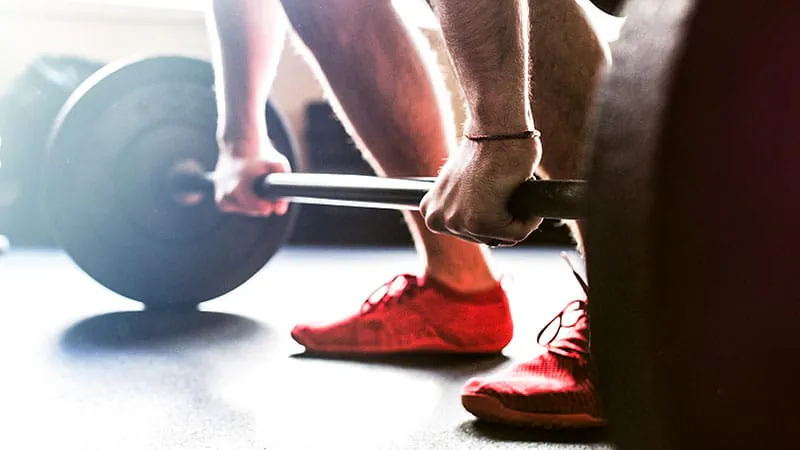
Not all resistance training is created equal when it comes to bone health. A new randomized trial found that only high-intensity resistance training led to a modest ~1% improvement in lumbar spine bone mineral density (BMD) in older adults — moderate-intensity training showed no benefit. And neither intensity helped hip BMD, underscoring that exercise alone can't replace medication for osteoporosis.
Not all resistance training is created equal when it comes to bone health. The FORTIFY Bones trial — a 12-month randomized controlled study presented at the ASBMR 2026 Annual Meeting — found that only high-intensity progressive resistance training produced a modest improvement in lumbar spine bone mineral density (BMD) in older adults with low bone density. Moderate-intensity training showed no measurable bone benefit at all.
The trial enrolled 324 participants (average age 67, ~90% female) split into three groups: a control group doing home posture/balance exercises, a moderate-intensity resistance training group, and a high-intensity group. The high-intensity group lifted weights they could only repeat six times before failure — and that extra effort made the difference, at least for the spine. Adverse events were minor, and no fractures were directly attributable to the exercises.
Key Takeaways:
Why it matters: For clinicians counseling patients on bone health, this trial sends a clear message: intensity matters. Patients hoping to forgo medication in favor of exercise should be advised that resistance training alone — especially at moderate intensity — is unlikely to reverse osteoporosis, though it may still reduce fracture risk by improving strength and reducing falls.