Turn on cookies to sign in
Signing in saves your progress to your Curie account. We can only do that with cookies on — turn them on to continue.
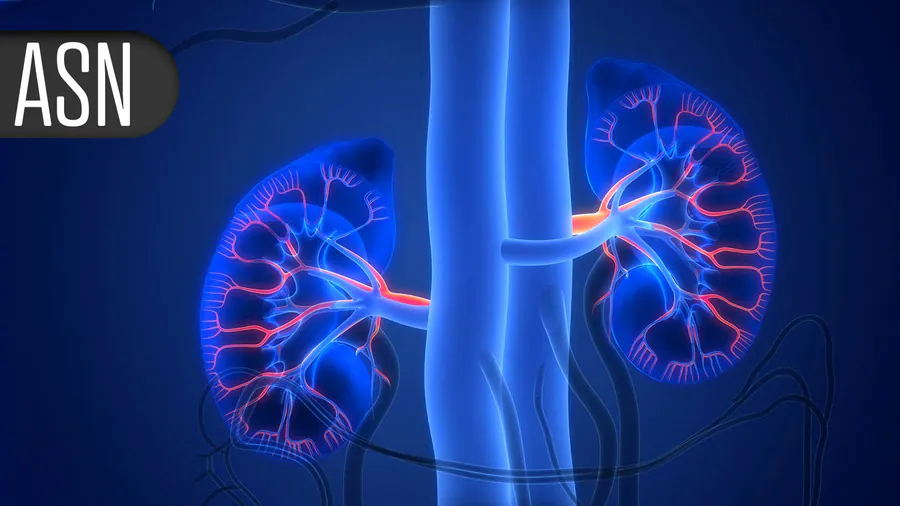
Daily baby aspirin didn't significantly cut major cardiovascular events in chronic kidney disease (CKD) patients, according to the randomized ATTACK trial. Over 3+ years, aspirin users saw a 2.4% rate of major vascular events vs. 3.3% in controls — close, but not statistically significant. One bright spot: aspirin did meaningfully reduce non-fatal strokes, leaving the door open for further research.
Daily low-dose aspirin has long been a go-to for cardiovascular prevention, but a new randomized trial suggests it may not be the answer for patients with chronic kidney disease (CKD). The ATTACK trial — the first large-scale study of its kind — found that 75 mg of daily aspirin did not significantly reduce major vascular events (heart attack, stroke, or cardiovascular death) in CKD patients without established cardiovascular disease over a mean follow-up of 3.1 years.
That said, there was one notable win: aspirin did significantly reduce non-fatal strokes by about half. Researchers caution, though, that the trial enrolled only 4,633 of its planned 25,000 participants due to COVID-19 disruptions, limiting the conclusions that can be drawn.
Key Takeaways:
Why it matters: CKD patients carry a disproportionately high cardiovascular burden — roughly 100,000 heart attacks and strokes per year in the UK alone among stage 3–5 CKD patients. Yet treatment options remain limited. Researchers are now pooling data with the Antithrombotic Trialists' Collaboration for a larger meta-analysis that may finally settle the question.