Turn on cookies to sign in
Signing in saves your progress to your Curie account. We can only do that with cookies on — turn them on to continue.
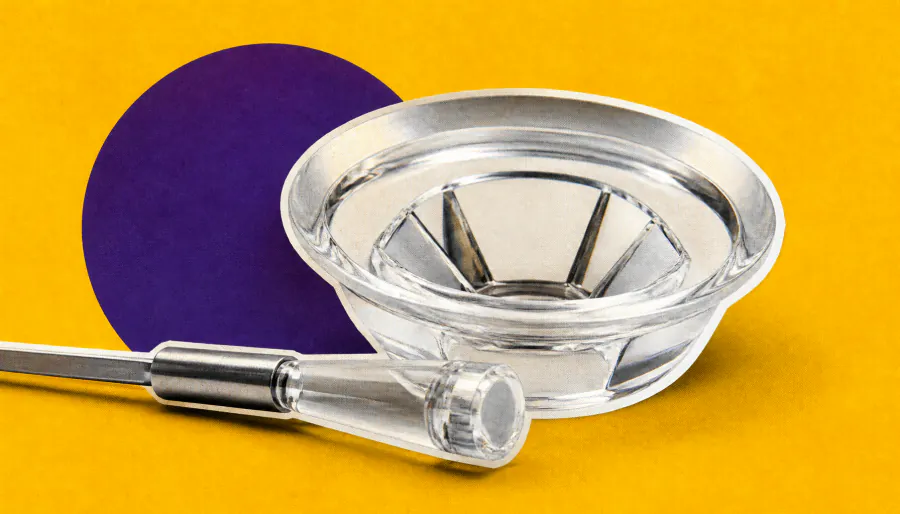
A novel laser approach called pattern microsecond laser trabeculoplasty (PMLT) is showing real promise for open-angle glaucoma. Early data from 83 eyes showed a 16.5% reduction in intraocular pressure (IOP) at 3 months. The technique delivers low-intensity microsecond pulses in four-spot patterns, improving fluid drainage while minimizing tissue damage.
A new laser technique for glaucoma — pattern microsecond laser trabeculoplasty (PMLT) — is turning heads with early clinical data showing meaningful reductions in eye pressure. Presented at the European Society of Cataract and Refractive Surgeons meeting in London, PMLT uses the ECHO multispot laser (Norlase), a portable device that can attach to standard slit lamps. It delivers microsecond pulses in four-spot patterns across 360 degrees of the trabecular meshwork, improving aqueous outflow without causing visible tissue damage.
PMLT builds on a long lineage of laser trabeculoplasty techniques — from argon (ALT) to selective (SLT) to micropulse (MLT) — each designed to reduce IOP with fewer side effects. SLT remains the current gold standard, backed by large randomized trials including the landmark LiGHT trial, which helped shift glaucoma care toward laser as a first-line treatment.
By the Numbers:
Why it matters: For patients already on one or two glaucoma eye drops, PMLT could serve as a valuable add-on therapy — helping delay surgery and reduce the medication burden that often leads to poor compliance and side effects.