Curie Brief
Turn on cookies to sign in
Signing in saves your progress to your Curie account. We can only do that with cookies on — turn them on to continue.
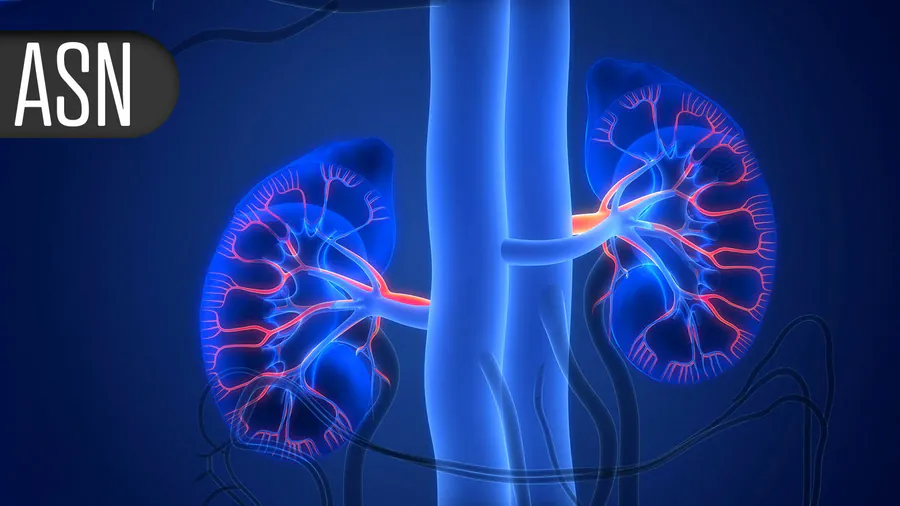
Women who donate a kidney face a modestly higher risk of gestational hypertension and smaller babies in future pregnancies, a Canadian study found. But the vast majority of post-donation pregnancies still go smoothly. Experts say this shouldn't automatically disqualify potential donors who plan to have children — just prompt more careful prenatal monitoring.
Women who donate a kidney before becoming pregnant face a modestly elevated risk of gestational hypertensive disorders and small-for-gestational-age births compared to non-donors, according to a large Canadian matched cohort study published in JAMA and presented at the American Society of Nephrology Kidney Week. Researchers matched 385 pregnancies among 252 kidney donors with 1,540 pregnancies among non-donors, controlling for factors like maternal age, delivery date, and income.
Despite the elevated risks, the researchers were quick to emphasize that most post-donation pregnancies proceed without major complications — fewer than 2% in either group experienced hypertensive disorders before 34 weeks. The findings are especially relevant given that approximately 65% of living kidney donors are female and roughly 75% are of childbearing age at the time of donation.
By the Numbers:
Why it matters: These findings reinforce the importance of counseling kidney donor candidates who may wish to become pregnant, ensuring they receive attentive prenatal care — particularly blood pressure monitoring. A desire for future pregnancy alone should not exclude someone from donating, but informed decision-making is key.