Turn on cookies to sign in
Signing in saves your progress to your Curie account. We can only do that with cookies on — turn them on to continue.
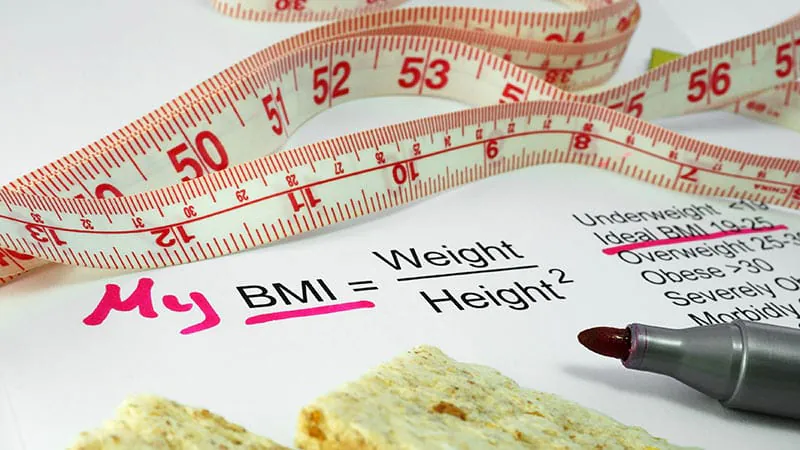
The Body Roundness Index (BRI), which measures abdominal fat more precisely than BMI, was linked to significantly higher risks of several cancers in postmenopausal women — even after accounting for BMI. A large study of nearly 145,000 women found the strongest independent associations with esophageal, liver, kidney, lung, and colon cancers. BRI could be a more powerful tool for cancer risk assessment.
BMI has long been the go-to metric for assessing obesity-related health risks, but a new large-scale study suggests the Body Roundness Index (BRI) — which factors in waist circumference and height to better capture belly fat — may be a sharper tool for predicting cancer risk. Researchers analyzed data from nearly 145,000 postmenopausal women over a median of nearly 18 years and found that higher BRI was independently associated with increased risk of multiple cancers, even after adjusting for BMI.
The findings, published in Cancer Epidemiology, Biomarkers & Prevention, revealed that some cancer associations actually strengthened after BMI adjustment — particularly for liver, lung, and esophageal cancers — suggesting BRI captures something BMI simply misses: where fat is stored, not just how much.
By the Numbers:
Why it matters: Central adiposity — belly fat — is increasingly recognized as a driver of cancer risk, and BRI may offer clinicians a more precise, actionable measure to identify high-risk patients beyond what BMI alone can reveal.