Turn on cookies to sign in
Signing in saves your progress to your Curie account. We can only do that with cookies on — turn them on to continue.
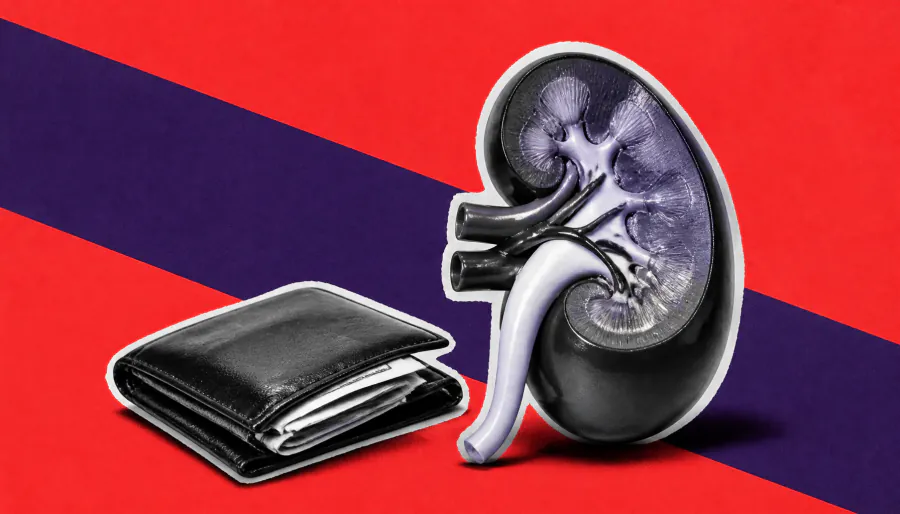
New data reveal who's less likely to become a living kidney donor. A study of nearly 5,000 candidates found Black individuals, those with lower education or income, and people with certain health conditions face significantly lower odds of completing the donation process — raising urgent questions about equity in transplant care.
A new study presented at ASN Kidney Week sheds light on why so many willing kidney donor candidates never make it to donation. Using data from the SRTR Living Donor Collective — a first-of-its-kind national registry — researchers analyzed over 4,800 candidates across 10 U.S. transplant centers between 2018 and 2024, identifying a web of clinical, demographic, socioeconomic, and genetic factors that shape who ultimately donates.
The findings paint a stark picture of inequality. Black candidates were nearly half as likely as white candidates to become donors, and those who were single, unemployed, or less educated also faced lower odds. Health factors like obesity, hypertension, active smoking, and a family history of diabetes further reduced the likelihood of completing the process. On the flip side, women, paired donation candidates, and those with no APOL1 genetic risk were more likely to proceed to donation.
By the Numbers:
Why it matters: These disparities suggest the barriers to living donation go well beyond medical suitability. Researchers are calling for targeted interventions — financial assistance, travel support, and better navigation through the evaluation process — to ensure every potential donor gets a fair shot.