Turn on cookies to sign in
Signing in saves your progress to your Curie account. We can only do that with cookies on — turn them on to continue.
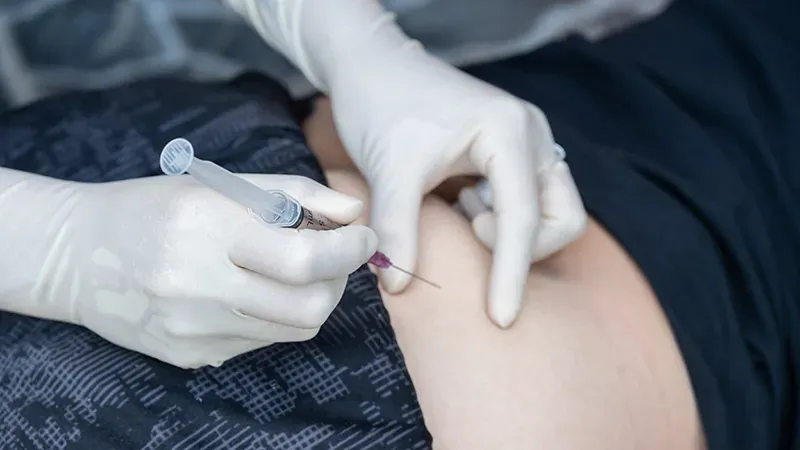
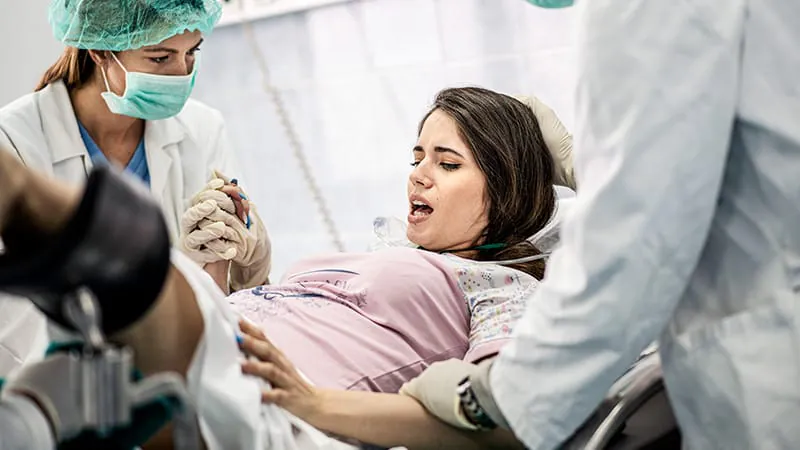
Better epidural pain relief tied to higher fever risk during labor. A new study found that first-time mothers who experienced more effective epidural analgesia — reflected by lower pain scores — had significantly higher odds of developing intrapartum fever. The findings suggest that profound sympathetic blockade may impair the body's ability to dissipate heat generated during labor.
A new prospective study out of China adds a nuanced finding to epidural labor analgesia: the better it works, the higher the risk of maternal fever. Researchers tracked 952 first-time mothers across eight tertiary care hospitals and found that lower pain scores during epidural analgesia were consistently associated with greater odds of developing intrapartum hyperthermia (temperature ≥ 38.0°C).
The proposed mechanism? Profound sympathetic blockade from effective epidurals may impair the body's ability to shed the heat generated by the hard work of labor — though researchers note the underlying causes are likely multifactorial. Women who developed fever also experienced longer labors, received higher epidural doses, and were treated with more antibiotics.
By the Numbers:
Why it matters: This study prompts clinicians to weigh the benefits of superior pain control against the risk of fever — which can trigger fetal monitoring interventions, antibiotic use, and longer labor. It underscores the need for individualized analgesia strategies and closer intrapartum temperature monitoring.