Turn on cookies to sign in
Signing in saves your progress to your Curie account. We can only do that with cookies on — turn them on to continue.
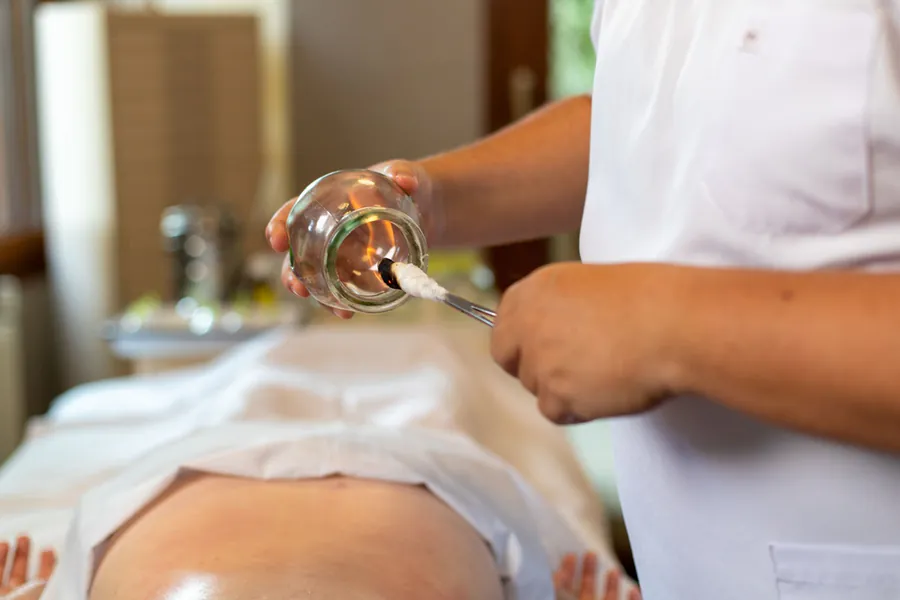
The WHO Global Traditional Medicine Centre is launching a series of working papers to document and examine traditional, complementary, and integrative medicine (TCIM) worldwide. The first publication focuses on cupping therapy training, drawing on a systematic scoping review of curricula, competency frameworks, and accreditation practices. More papers on chiropractic, Siddha, Taijiquan, and TCM are expected in 2026–27.
The WHO Global Traditional Medicine Centre has kicked off a new working paper series aimed at building a stronger, evidence-informed foundation for traditional, complementary, and integrative medicine (TCIM) globally. The series spans two tracks: comprehensive traditional medicine systems and specific therapeutic modalities, with each paper drawing on scientific evidence, accreditation frameworks, and expert input.
The inaugural paper — Cupping Therapy: Descriptive Synthesis of Training — offers the first-ever structured overview of how cupping therapy training is organized across different settings, focusing primarily on Traditional Chinese Medicine (TCM). It covers training pathways, curriculum content, competency domains, learning outcomes, and accreditation arrangements, serving as a neutral, descriptive reference for policymakers, regulators, educators, and practitioners.
Key Takeaways:
Why it matters: As traditional medicine continues to be integrated into health systems worldwide, having a standardized, evidence-based reference point is critical for informed regulation, education, and policy — helping bridge the gap between ancient practices and modern healthcare frameworks.