Curie Brief
Turn on cookies to sign in
Signing in saves your progress to your Curie account. We can only do that with cookies on — turn them on to continue.
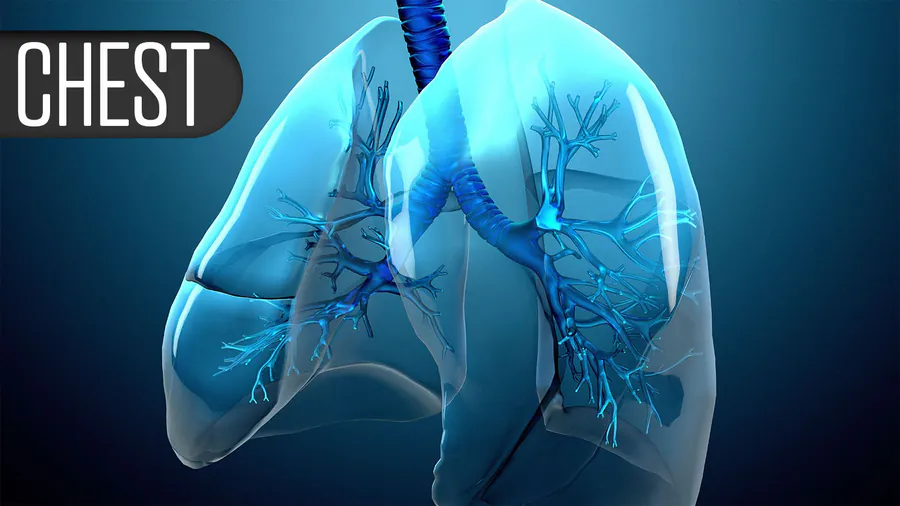
Breath holding during robotic bronchoscopy doesn't improve lung nodule biopsy outcomes, a small randomized trial found. The STABLE trial showed similar diagnostic yields whether patients held their breath or used conventional ventilation. Researchers say the real focus should be on dynamic imaging and precise tool-lesion alignment instead.
A small randomized trial presented at the CHEST 2026 annual meeting found that sustained breath holding during robotic bronchoscopy did not improve diagnostic yield for peripheral lung nodule biopsies. The STABLE trial enrolled 117 patients and compared standardized end-inspiratory breath-hold ventilation against conventional ventilation during tissue acquisition — and the results were essentially a wash.
Rather than keeping the lung still, researchers say the key to better biopsy outcomes lies in dynamic imaging and real-time tool-lesion alignment. Using integrated augmented fluoroscopy and C-arm-based tomography, clinicians can continuously track the tool's position relative to the lesion — and correct course even when the lung is moving.
By the Numbers:
Why it matters: As robotic bronchoscopy becomes more widely adopted for lung nodule diagnosis, understanding what actually drives diagnostic accuracy is critical. This study challenges a commonly used technique and redirects attention toward dynamic imaging tools — potentially reshaping procedural protocols for pulmonologists.