Curie Brief
Turn on cookies to sign in
Signing in saves your progress to your Curie account. We can only do that with cookies on — turn them on to continue.
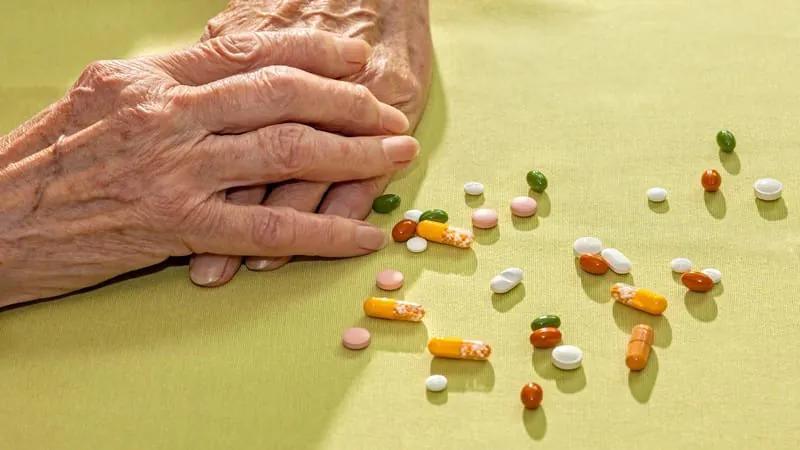
Too many meds, too little oversight — older adults are at serious risk. Potentially inappropriate medications (PIMs) are prescribed to up to 54% of older adults in primary care, and among those on 10+ drugs, over 80% have at least one problematic prescription. Experts are calling for structured deprescribing, better training, and stronger communication between clinicians to protect this vulnerable population.
Older adults are often prescribed medications that do more harm than good — and the problem is widespread. In Brazil, 22%–54% of older adults in primary care receive at least one potentially inappropriate medication (PIM), and with only 3,167 geriatricians in the country, most elderly patients are managed by generalists who may lack specialized training in geriatric pharmacology. Age-related changes in how the body processes drugs make standard regimens riskier, increasing the likelihood of falls, delirium, cognitive decline, and bleeding events.
Three drug classes are flagged as especially high-risk: benzodiazepines and Z-drugs (linked to cognitive decline and falls), anticholinergic medications (causing confusion and urinary retention), and NSAIDs/antiplatelet agents (raising bleeding and kidney injury risk). Experts also warn against "prescribing cascades," where new drugs are added to treat side effects of existing ones — rather than revisiting the original prescription.
Key Takeaways
Why it matters: As populations age globally, polypharmacy is becoming a silent epidemic. Clinicians across specialties need better tools, training, and communication frameworks to ensure older patients aren't harmed by the very treatments meant to help them.