Curie Brief
Turn on cookies to sign in
Signing in saves your progress to your Curie account. We can only do that with cookies on — turn them on to continue.
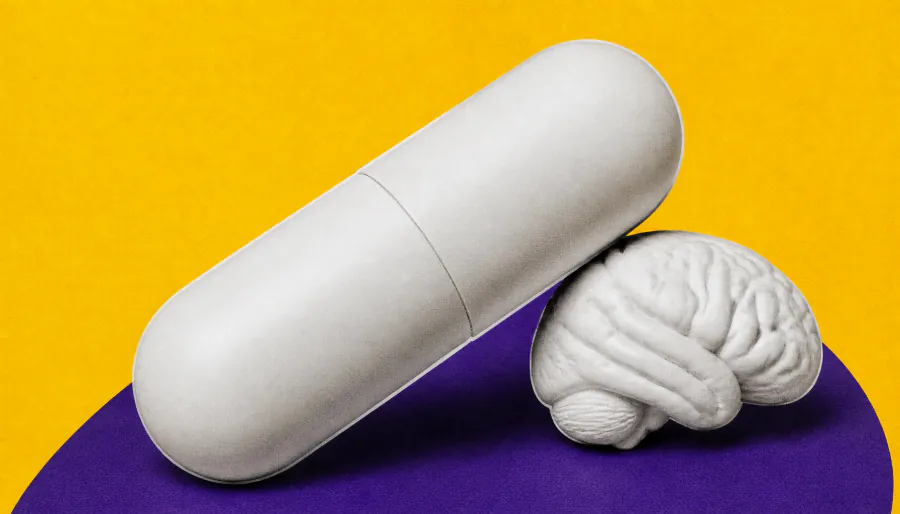
After years of failed repurposed drug trials, a phase 2 study has delivered the first real evidence that a drug can meaningfully help long COVID patients. Bezisterim, an oral anti-inflammatory agent that crosses the blood-brain barrier, significantly improved fatigue, post-exertional malaise, and cognitive function in patients with the most severe symptoms — with a safety profile comparable to placebo. Researchers say the results warrant a confirmatory phase 3 trial.
After years of failed repurposed drug trials, the phase 2 ADDRESS-LC study has delivered what researchers are calling the first real evidence that a drug can meaningfully help long COVID patients. Bezisterim (NE3107, BioVie), an oral anti-inflammatory agent that crosses the blood-brain barrier, was tested in 203 adults with fatigue and neurocognitive impairment lasting at least 3 months post-COVID infection. While the full intent-to-treat population didn't hit statistical significance across all 22 outcome measures, 21 of 22 trended in bezisterim's favor.
The clearest signal came from pre-specified subgroup analyses covering approximately 78% of participants, grouped by severity of fatigue, post-exertional malaise, or cognitive impairment at baseline. In these higher-burden patients, bezisterim delivered statistically significant improvements across fatigue, malaise, and cognitive measures — with treatment effect sizes more than doubling compared to the overall population.
Key Takeaways:
Why it matters: With 18 million Americans living with long COVID — and at least 4 million too debilitated to work — an effective, well-tolerated oral therapy would be a significant step forward. BioVie plans to advance bezisterim into a phase 3 confirmatory trial.