Curie Brief
Turn on cookies to sign in
Signing in saves your progress to your Curie account. We can only do that with cookies on — turn them on to continue.
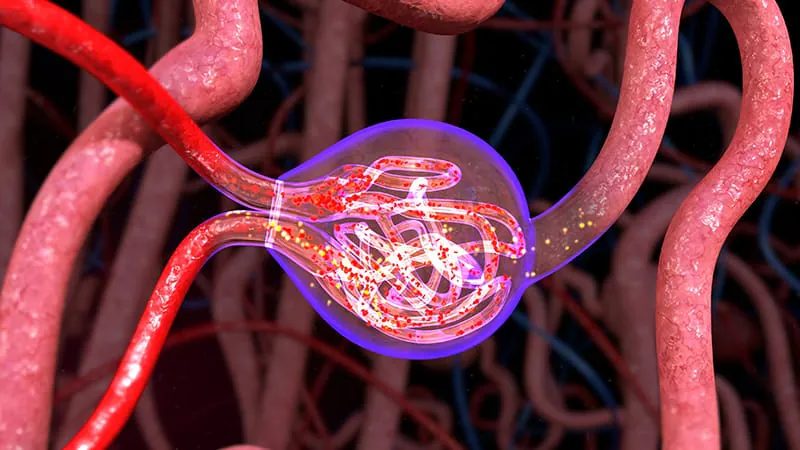
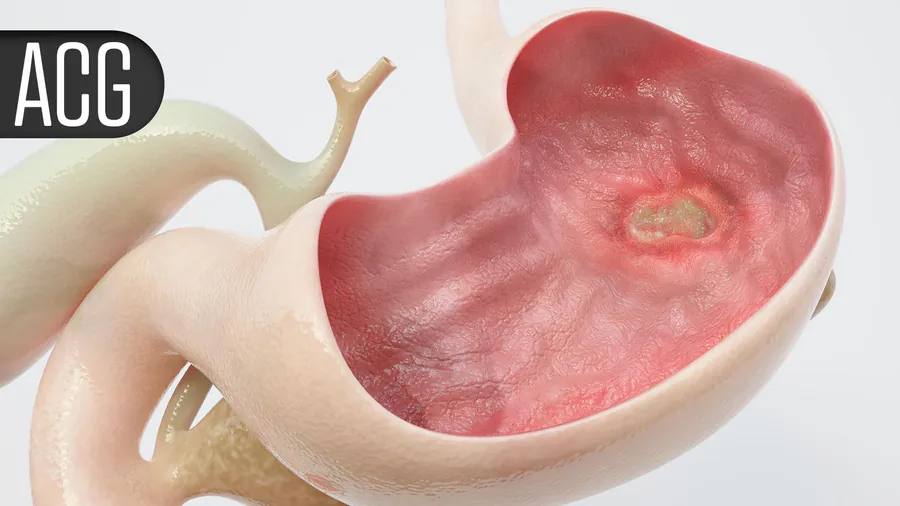
Proton pump inhibitors (PPIs) — some of the most widely used drugs for acid reflux — are associated with more than double the risk of severely low blood sodium compared to a common alternative, a large Swedish study found. The risk was highest in the first month of treatment. Researchers say the findings support a strong, independent link between PPIs and this potentially serious condition.
Proton pump inhibitors (PPIs) like omeprazole and pantoprazole are among the most commonly prescribed drugs worldwide, but a new study raises a red flag about their safety. Researchers from the Karolinska Institutet in Sweden found that PPI users had more than twice the risk of developing profoundly low blood sodium levels (hyponatremia) compared to those taking histamine-2 receptor antagonists (H2RAs), an alternative acid-suppressing medication. Most cases emerged within the first month of starting treatment.
The retrospective cohort study, published in Kidney360, analyzed data from nearly 500,000 adults between 2006 and 2018. Even at milder sodium thresholds, PPI users still faced significantly elevated risk — suggesting a consistent pattern across severity levels.
By the Numbers:
Why it matters: Severe hyponatremia can cause serious neurological complications, including seizures and coma. Given how frequently PPIs are prescribed — often without close monitoring — clinicians may want to keep an eye on sodium levels, especially in the first month of therapy.