Curie Brief
Turn on cookies to sign in
Signing in saves your progress to your Curie account. We can only do that with cookies on — turn them on to continue.
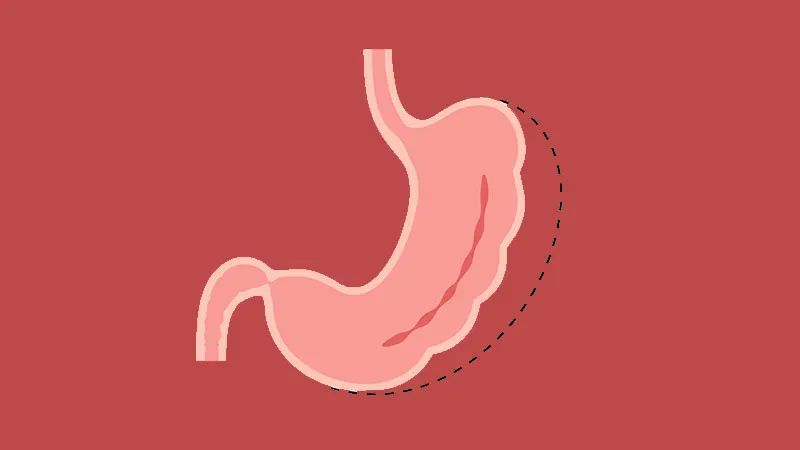
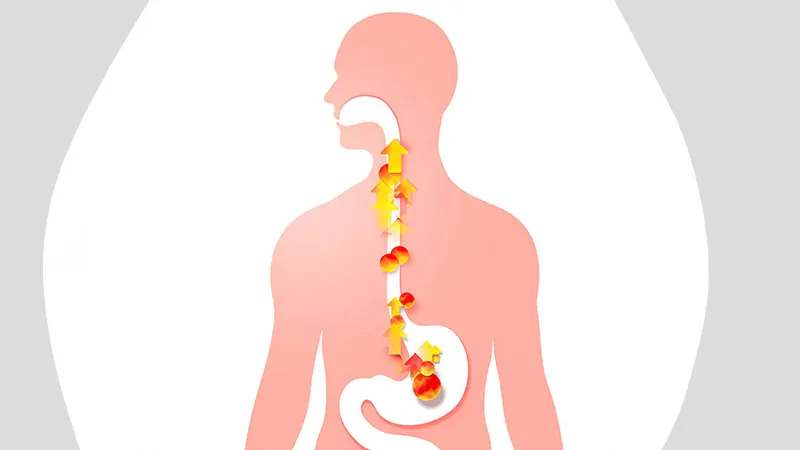
A randomized pilot trial found that combining transit bipartition with sleeve gastrectomy (SG) dramatically reduced new-onset GERD at 12 months — just 3.3% vs. 28.3% with SG alone. The combo procedure also delivered greater weight loss, with no significant increase in complications or hospital stay.
Rethinking the sleeve. Sleeve gastrectomy (SG) is the world's most common weight-loss surgery, but it comes with a notable drawback — up to 40% of patients develop acid reflux afterward. A new randomized pilot trial tested whether adding transit bipartition (TB), a technique that connects the stomach to the lower small intestine to reduce intragastric pressure, could change that equation.
The results were compelling. Among 120 patients with obesity, those who received SG plus TB had a new-onset GERD rate of just 3.3% at 12 months, compared to 28.3% in the SG-only group. The combination group also lost more weight and used fewer acid-suppressing medications — all without a meaningful increase in complications or hospital stay.
By the Numbers:
Why it matters: For patients without severe pre-existing reflux, SG with transit bipartition may offer a meaningful upgrade over standard sleeve gastrectomy — addressing both weight loss and reflux risk in a single procedure. Notably, patients with significant GERD, Barrett's esophagus, or severe esophagitis should still be directed toward Roux-en-Y gastric bypass, which remains the gold standard in those cases.