Curie Brief
Turn on cookies to sign in
Signing in saves your progress to your Curie account. We can only do that with cookies on — turn them on to continue.
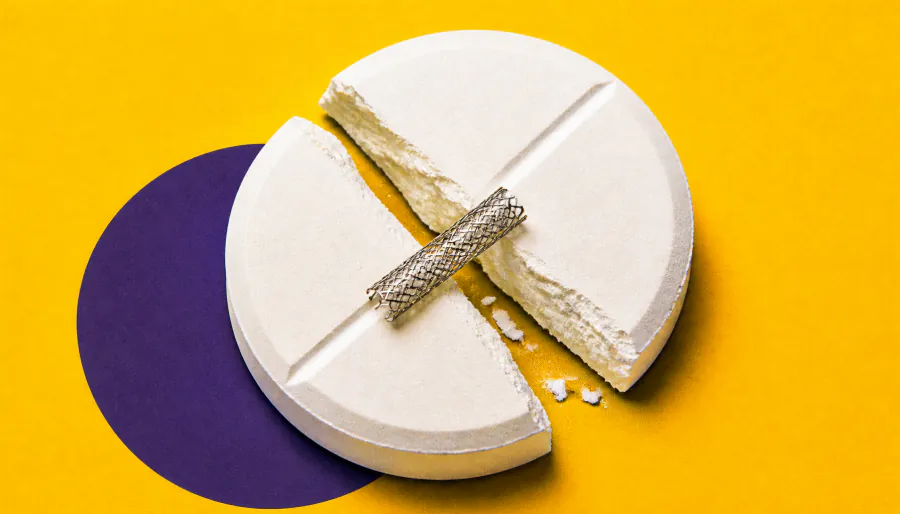
After a heart procedure to close the left atrial appendage, blood thinners called DOACs appear to be the safer bet. A new meta-analysis found DOAC monotherapy slashed the risk of device-related clots by 83% and major bleeding by 49% compared to dual antiplatelet therapy. The findings suggest DOACs offer better protection without the added bleeding risk.
For patients who undergo left atrial appendage occlusion (LAAO) — a procedure used to reduce stroke risk in people with atrial fibrillation — the choice of post-procedure blood-thinning therapy matters a lot. A new meta-analysis published in the European Heart Journal compared DOAC monotherapy against dual antiplatelet therapy (DAPT) and found a clear winner.
Researchers pooled data from three randomized trials across Europe and Canada involving 704 patients (average age 76–78, 65% male) at high risk for both stroke and bleeding. Patients received either a DOAC (at reduced or standard doses) or DAPT for 2–3 months after the procedure.
By the Numbers:
Why it matters: LAAO is increasingly used as an alternative to long-term anticoagulation in high-risk AFib patients, making post-procedure therapy a critical decision. These findings suggest clinicians can lean on DOAC monotherapy to protect against clots without trading off bleeding safety — a meaningful consideration for a vulnerable patient population.