Curie Brief
Turn on cookies to sign in
Signing in saves your progress to your Curie account. We can only do that with cookies on — turn them on to continue.
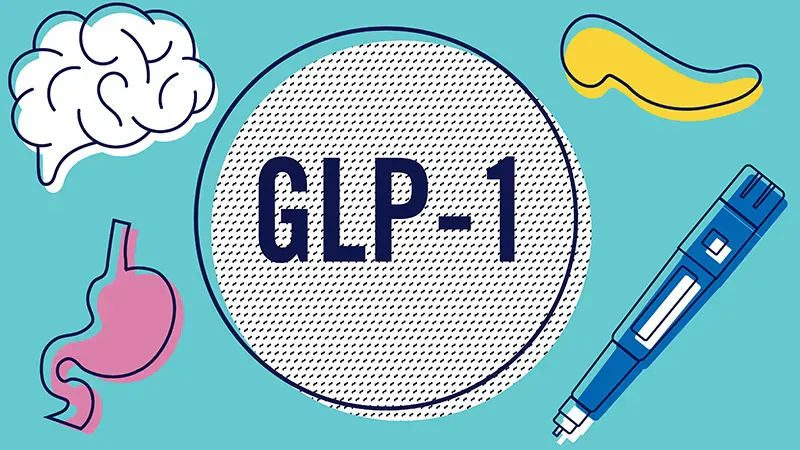
GLP-1 receptor agonists may offer an extra layer of protection for a high-risk group. A large retrospective study found that adults with type 2 diabetes and atrial fibrillation who started a GLP-1 drug had a 21% lower risk of blood clots and a 12% lower risk of ischemic stroke compared to those on DPP-4 inhibitors — benefits that held up across multiple diabetes drug comparisons.
GLP-1 receptor agonists (RAs) are already known for their cardiovascular perks, but a new study suggests they may also meaningfully reduce clot risk in a particularly vulnerable population. Researchers analyzed records from over 167 healthcare organizations and found that adults with type 2 diabetes (T2D) and atrial fibrillation (AF) or atrial flutter who started a GLP-1 RA had significantly lower rates of venous thromboembolism (VTE) and ischemic stroke compared to those who started a DPP-4 inhibitor.
The findings were consistent across subgroups — including patients already on oral anticoagulants — and held up when GLP-1 RAs were compared against SGLT2 inhibitors, sulfonylureas, and thiazolidinediones, strengthening the case for a real vascular benefit.
By the Numbers:
Why it matters: For clinicians managing T2D patients with AF — a group already at elevated clot and stroke risk — these findings suggest GLP-1 RAs could be a smart glucose-lowering choice. Importantly, the authors stress this doesn't replace oral anticoagulants for AF-related stroke prevention, but adds another reason to favor GLP-1s in this high-risk population.