Curie Brief
Turn on cookies to sign in
Signing in saves your progress to your Curie account. We can only do that with cookies on — turn them on to continue.
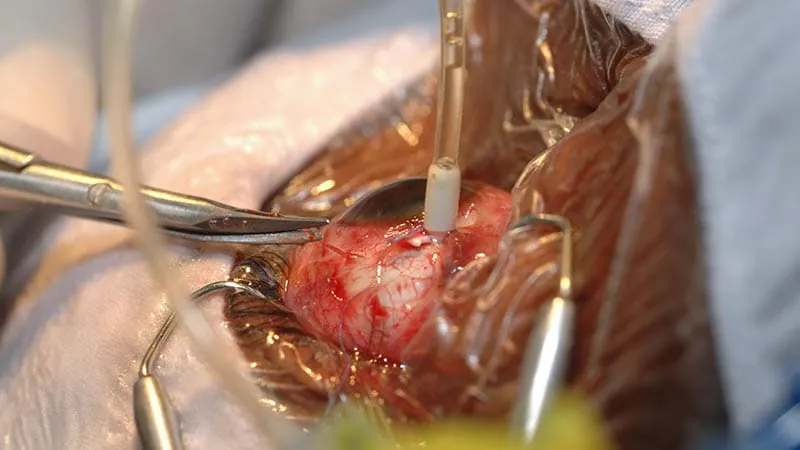
Vitreoretinal surgeries like retinal detachment repair and macular hole closure can be safely performed in an office-based suite — no anesthesiologist needed — as long as patients are relatively healthy. A study of 173 cases reported zero hospital transfers, no anesthetic complications, and a redetachment rate on par with ambulatory surgery centers. The catch? Patient selection is everything.
Retinal surgery doesn't have to happen in a hospital or ambulatory surgery center (ASC). A new study of 173 vitreoretinal procedures performed in an accredited office-based operating suite found that outcomes were comparable to traditional settings — with zero hospital transfers, no anesthetic complications, and no cases of endophthalmitis. The key ingredient: carefully selected patients in ASA class I or II (healthy to mildly ill), who can stay calm with just oral sedation and a local anesthetic block.
Procedures included epiretinal membrane peel, retinal detachment repair, macular hole repair, and gene therapy surgery. Surgeons also gain a major scheduling perk — full control over their OR calendar, without the delays or higher facility fees tied to hospitals.
Not everyone is fully convinced, though. Some experts note that the procedures studied were all relatively straightforward (under an hour each), and that thousands of cases would be needed to detect rare but serious complications.
Key Takeaways:
Why it matters: With OR access declining and caseloads rising, office-based vitreoretinal surgery could reshape how retinal specialists practice — offering flexibility, cost savings, and faster care for the right patients.