Curie Brief
Turn on cookies to sign in
Signing in saves your progress to your Curie account. We can only do that with cookies on — turn them on to continue.
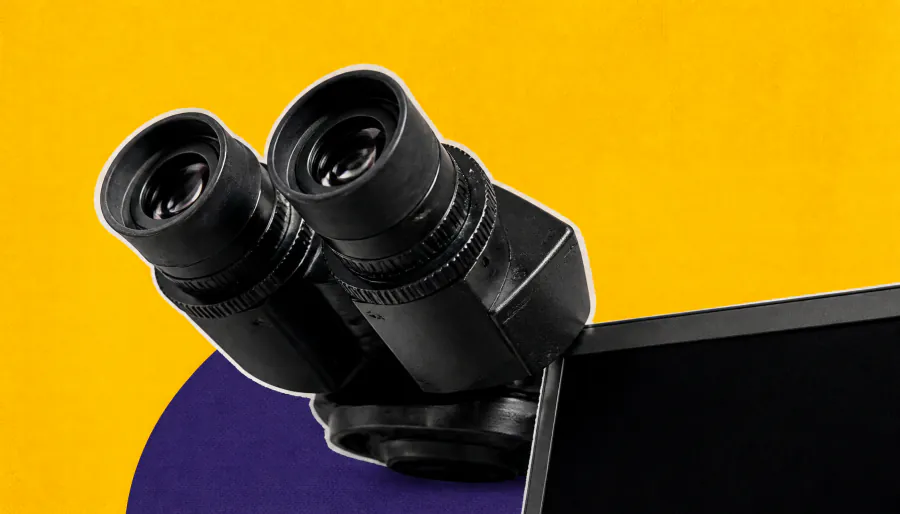
The OR is going digital — and ophthalmologists should take note. Modern 4K stereoscopic digital microscopes have overcome early limitations like latency and poor resolution, offering surgeons enhanced visualization, ergonomic benefits, and features like intraoperative OCT and heads-up displays. With robotic cataract surgery on the horizon, familiarity with digital systems may soon be a must.
The OR is going digital — and ophthalmologists should take note.
When digital microscopes first debuted at the 2008 AAO meeting, they were promising but flawed — plagued by latency and limited resolution. Fast forward nearly two decades, and today's 4K stereoscopic systems have largely solved those problems, delivering superior image clarity, color fidelity, and a suite of smart features like heads-up displays, intraoperative OCT, and real-time surgical data overlays.
Beyond image quality, the case for going digital is increasingly compelling on multiple fronts. Ergonomics alone may be reason enough: studies show 14% of ophthalmologists report musculoskeletal symptoms serious enough to prompt early retirement plans. Digital systems allow surgeons to operate in more natural positions, potentially extending their careers. They also enhance teaching, reduce patient light exposure, and — critically — prepare surgeons for the coming wave of robotic cataract surgery being developed by companies like ForSight Robotics and Horizon Surgical Systems.
Key Takeaways:
Why it matters: As robotic surgery edges closer to the OR, digital visualization isn't just a nice upgrade — it's becoming foundational infrastructure. Surgeons who adapt now will be better positioned for the next era of ophthalmic surgery.