Curie Brief
Turn on cookies to sign in
Signing in saves your progress to your Curie account. We can only do that with cookies on — turn them on to continue.
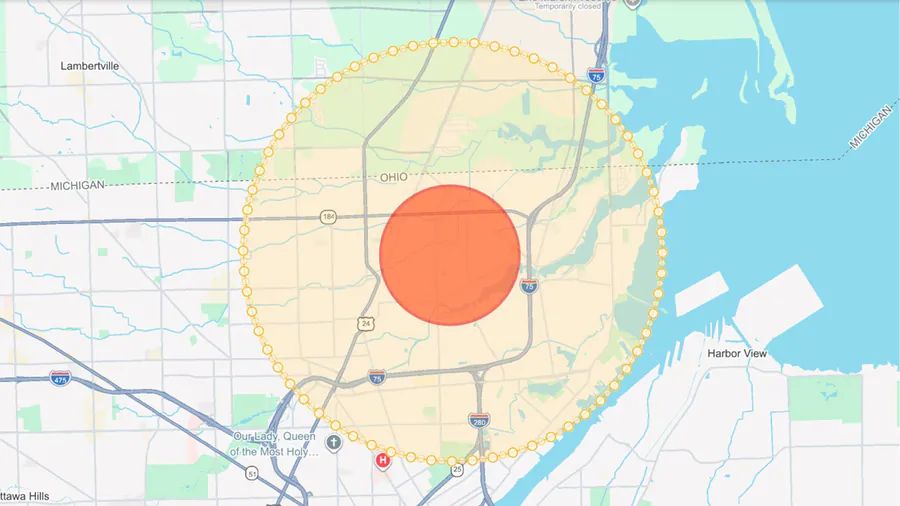
A ruptured chemical tank in Toledo, Ohio sent a toxic plume into the air for over 14 hours, prompting evacuations and shelter-in-place orders for tens of thousands. The tank contained glycidyl methacrylate, an industrial chemical that can cause eye, skin, and respiratory irritation. Officials chose to let the tank vent rather than risk a second explosion by sending in responders.
A chemical tank rupture in Toledo, Ohio turned into a prolonged public health emergency Wednesday, as a white plume of glycidyl methacrylate — an industrial chemical used in plastics and coatings — billowed into the air for more than 14 hours. City officials made the call to let the tank vent rather than send first responders near the site, citing the risk of a second explosion from nearby stored tanks. Mayor Wade Kapszukiewicz said the situation was improving by Wednesday afternoon, with the tank's temperature dropping and the plume diminishing — but warned it could still be hours before the site was safe to approach.
Residents reported eye and throat irritation, and at least one sheriff's deputy sought hospital care after feeling unwell. Health officials were conducting air quality testing to assess broader risks, while the Toledo-Lucas County Health Department advised residents to stay indoors, close windows, and shower if they felt symptoms.
By the Numbers:
Why it matters: Chemical emergencies like this highlight the intersection of industrial safety and public health — particularly for vulnerable populations like those with asthma or respiratory conditions. The incident underscores the need for rapid air quality monitoring and clear public communication during hazardous material events.