Curie Brief
Turn on cookies to sign in
Signing in saves your progress to your Curie account. We can only do that with cookies on — turn them on to continue.
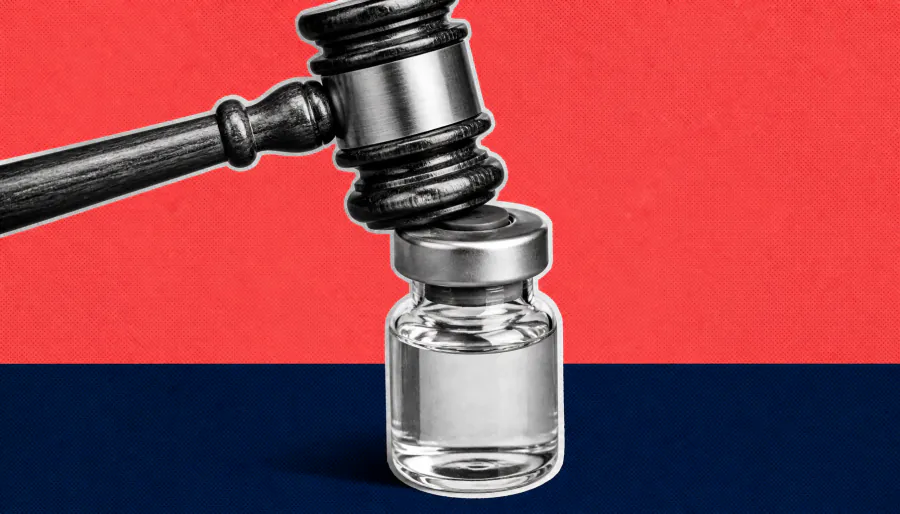
Most infant HBV exposures aren't from mom — so why are we only vaccinating based on her status? A new study found that 58% of early childhood hepatitis B exposures came from non-birth-mother household contacts, raising concerns about the CDC's revised vaccination guidelines. Researchers warn that moving away from the universal birth dose could leave thousands of infants vulnerable.
A new retrospective cohort study is raising important questions about the CDC's revised hepatitis B virus (HBV) vaccination guidelines. Analyzing records from over 158,000 children under age 5, researchers found that among kids living with an HBV-infected household member, 58.2% were exposed through someone other than their birth mother. Most of those nonmaternal contacts were male, with a median age of 44.
This matters because last year, the CDC's Advisory Committee on Immunization Practices (ACIP) moved away from a 34-year policy of universal HBV vaccination within 24 hours of birth, recommending the birth dose only for infants born to HBV-positive or status-unknown mothers. That policy shift — currently blocked by a federal judge — could leave a significant portion of at-risk infants unprotected, researchers say.
Key Takeaways:
Why it matters: If vaccination rates decline under the revised guidelines, infants exposed to HBV through fathers, grandparents, or other household members — not just their mothers — could fall through the cracks. Researchers stress that a truly protective vaccination policy must account for the full household risk picture, not just maternal status.