Curie Brief
Turn on cookies to sign in
Signing in saves your progress to your Curie account. We can only do that with cookies on — turn them on to continue.
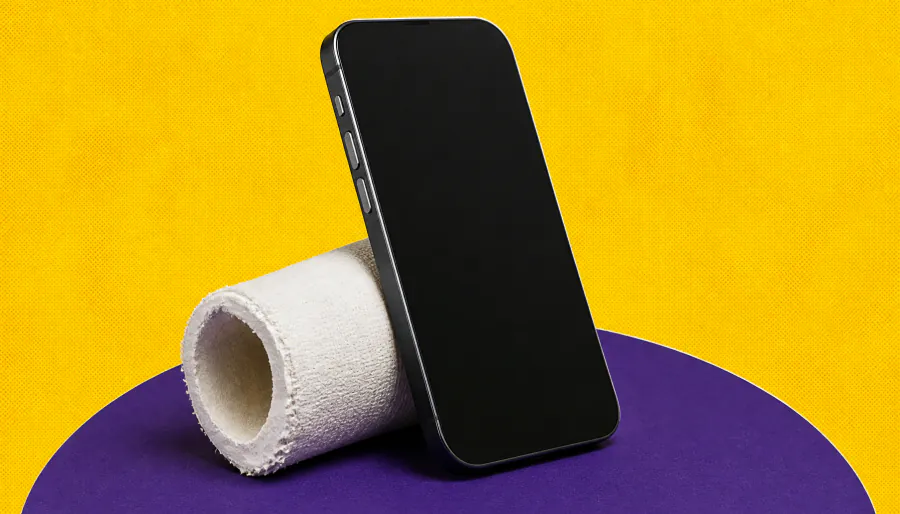
App-based cognitive behavioral therapy didn't beat standard care for post-fracture pain. A large multicenter trial found no significant difference in persistent moderate-to-severe pain between CBT and usual care at 12 months. Researchers say more engaging, personalized approaches are needed to support patients after traumatic injury.
A major clinical trial has found that cognitive behavioral therapy (CBT) delivered through a smartphone app did not outperform standard care in reducing persistent postsurgical pain following extremity fracture surgery. The COPE Trial, presented at the Orthopaedic Trauma Association Annual Meeting, enrolled over 1,000 adults and followed them for 12 months — finding no meaningful edge for CBT on pain, opioid use, or physical and mental function outcomes.
That said, patients who actively engaged with the app and worked through its modules did report better outcomes — suggesting the intervention may hold value for motivated individuals, even if it's not a one-size-fits-all solution. Researchers are calling for more creative, personalized approaches to psychosocial support after traumatic injury.
By the Numbers:
Why it matters: Post-fracture pain is a significant and often undertreated problem. This trial signals that passive, app-based CBT isn't the answer for most patients — but opens the door for more creative, personalized psychosocial interventions tailored to individual needs after traumatic injury.