Curie Brief
Turn on cookies to sign in
Signing in saves your progress to your Curie account. We can only do that with cookies on — turn them on to continue.
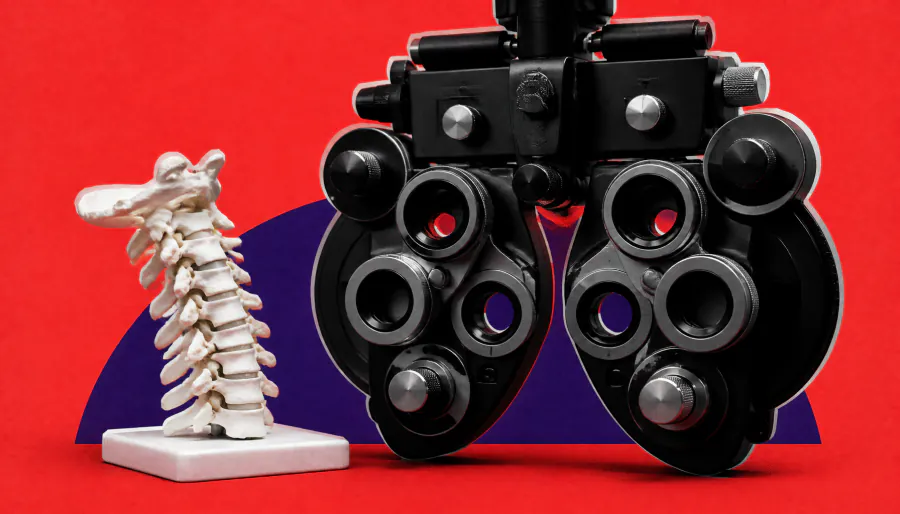
Ophthalmologists face a silent career threat — repetitive strain injury (RSI) — from years of awkward postures during exams and surgeries. Early warning signs like tingling, numbness, and aching pain are often ignored until permanent nerve damage sets in. Dr. Richard Lindstrom shares how better posture, ergonomics, and daily exercise helped him extend his career by 25 years.
Repetitive strain injury (RSI) is a very real occupational hazard for ophthalmologists — and one that can quietly end careers. Caused by sustained awkward positions, repetitive tasks, and mechanical stress, RSI most commonly manifests as cervical spine disorders, lumbar spine disorders, and thoracic outlet syndrome. Early warning signs include tingling in the hands or feet, persistent numbness, and aching or pulsing pain — symptoms that are easy to dismiss but dangerous to ignore.
Writing from five decades of clinical experience, Dr. Richard Lindstrom shares a candid personal account: years of poor posture and ergonomics left him with permanent numbness in two toes from a lumbar spine injury. But catching the signs early and making deliberate changes — better posture, optimized exam room and OR ergonomics, and a daily exercise routine — allowed him to practice for another 25 years and retire pain-free.
Key Takeaways:
Why it matters: With eye care demand projected to surge in the coming decades, keeping ophthalmologists healthy and in practice longer is a workforce issue — not just a personal one. Proactive RSI management could be the difference between a 25-year career and a 50-year one.