Curie Brief
Turn on cookies to sign in
Signing in saves your progress to your Curie account. We can only do that with cookies on — turn them on to continue.

A new meta-analysis finds that retinopathy — changes in the tiny blood vessels of the eye — is linked to nearly double the odds of stroke. Researchers say retinal imaging, which is noninvasive and widely available, could serve as a practical biomarker for cardiovascular risk. The findings suggest patients with retinopathy may benefit from closer cardiovascular monitoring.
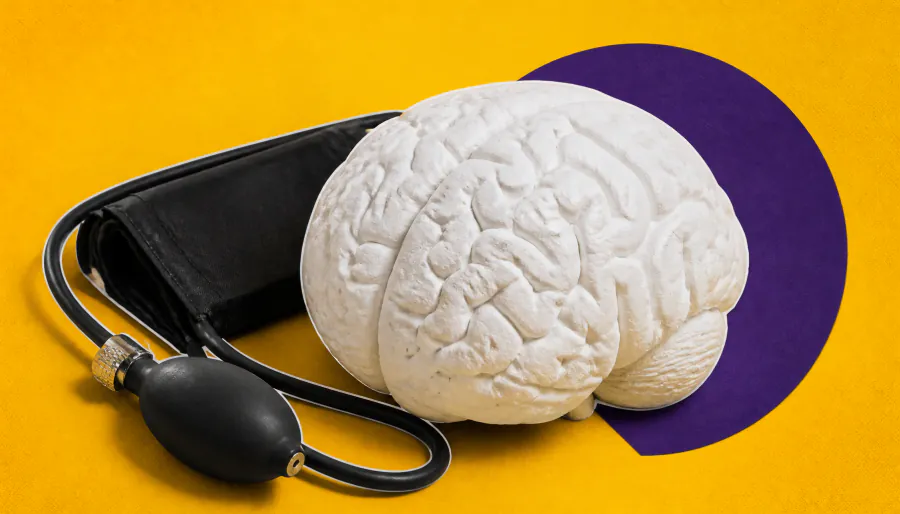
A routine eye exam might do more than check your vision — it could flag your stroke risk. A systematic review and meta-analysis published in Frontiers in Medicine found that patients with retinopathy had 87% higher odds of stroke compared to those without, suggesting that microvascular changes in the retina may mirror what's happening in the brain's blood vessels.
The analysis pooled data from 10 comparable studies and found the association strengthened with increasing severity of retinopathy. Importantly, none of the included studies suggested retinopathy was protective against stroke — all pointed in the same direction, even those not eligible for quantitative analysis.
By the Numbers:
Why it matters: Retinal imaging is noninvasive, accessible, and already part of routine eye care. If validated further, it could become a low-cost tool to identify patients who need closer cardiovascular workup — potentially catching stroke risk earlier than traditional methods alone.