Curie Brief
Turn on cookies to sign in
Signing in saves your progress to your Curie account. We can only do that with cookies on — turn them on to continue.
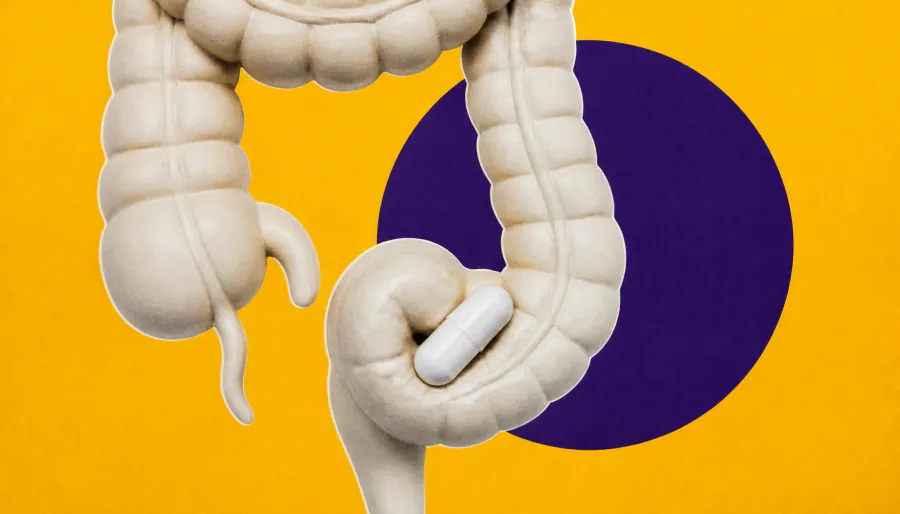
Researchers have identified argyrin B, a natural compound found in soil bacteria, that effectively kills C. difficile — a dangerous, hard-to-treat gut pathogen — while leaving beneficial gut microbes largely intact. In lab and mouse model tests, the compound concentrated in the large intestine rather than entering the bloodstream, suggesting fewer systemic side effects. It could one day offer a gentler alternative to current treatments, including fecal transplants.
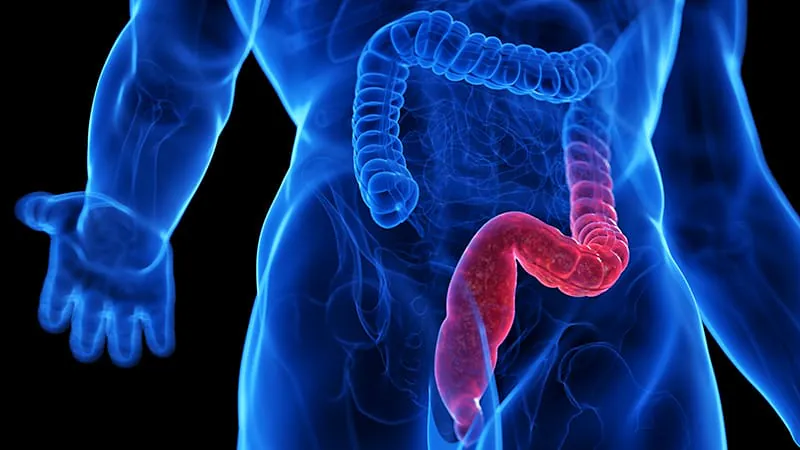
Scientists at the Helmholtz Centre for Infection Research have identified a promising new drug candidate for one of medicine's most frustrating infections. The compound, argyrin B — naturally produced by soil-dwelling myxobacteria — was found to be highly effective against Clostridioides difficile (C. difficile), a bacterium responsible for severe, recurring intestinal infections that are notoriously difficult to treat.
What makes argyrin B stand out is its selectivity. Unlike broad-spectrum antibiotics, which wipe out both harmful and beneficial gut bacteria (and often trigger C. difficile infections in the first place), argyrin B showed little to no activity against healthy gut microorganisms. When given orally to mice, the compound stayed concentrated in the large intestine — where C. difficile does its damage — rather than circulating through the bloodstream, potentially reducing the risk of side effects elsewhere in the body.
Key Takeaways:
Why it matters: C. difficile infections are among the leading causes of antibiotic-associated diarrhea and frequently relapse after treatment. A targeted therapy that eliminates the pathogen without collateral damage to the microbiome could meaningfully change how recurrent CDI is managed — and spare patients from invasive procedures like stool transplants.