Curie Brief
Turn on cookies to sign in
Signing in saves your progress to your Curie account. We can only do that with cookies on — turn them on to continue.
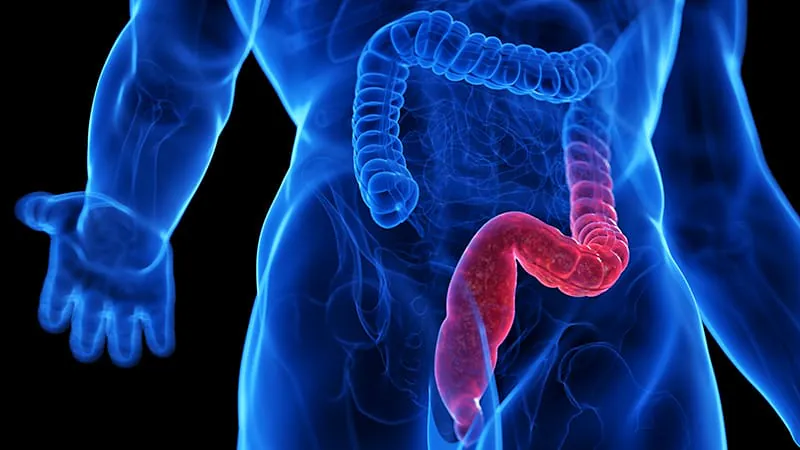
A gut fix for a cancer treatment side effect? A small phase 1/2 trial found that fecal microbiota transplantation (FMT) resolved immunotherapy-related colitis in 10 of 13 patients — with symptoms easing in just 1.5 days on average. Most patients were also able to resume cancer treatment afterward, raising hopes for a faster, steroid-sparing approach to managing this common and often treatment-halting complication.
A gut fix for a cancer treatment side effect? Immune checkpoint inhibitors (ICIs) are powerful cancer-fighting drugs — but they can trigger serious gut inflammation that forces patients to pause treatment. A new phase 1/2 trial out of MD Anderson Cancer Center tested fecal microbiota transplantation (FMT) as a first-line response to this complication, and the early results are encouraging.
In 13 patients with cancer who developed ICI-related diarrhea and colitis, a single FMT delivered via colonoscopy led to clinical response in 77% of cases, with symptoms improving in a median of just 1.5 days. Among those who responded, 80% maintained remission through a median 6.5-month follow-up. Crucially, 11 of 13 patients were able to resume some form of cancer treatment after their gut symptoms resolved.
By the Numbers:
Why it matters: ICI-related colitis is a major reason cancer patients have to stop immunotherapy — a potentially life-altering interruption. If FMT can resolve symptoms quickly while reducing reliance on immunosuppressive steroids, it could become a meaningful addition to oncology supportive care. Larger, controlled trials are needed to confirm these findings.