Curie Brief
Turn on cookies to sign in
Signing in saves your progress to your Curie account. We can only do that with cookies on — turn them on to continue.
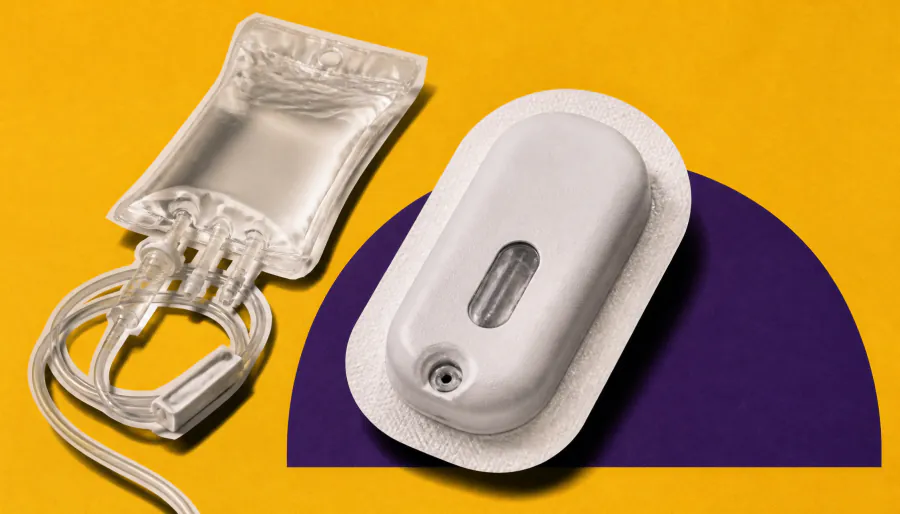
Japan just made history by approving the CirCLIQ Injector — a wearable, on-body delivery device — for subcutaneous isatuximab (Sarclisa) in multiple myeloma patients. It's the first anticancer therapy delivered via an on-body injector to receive approval in Japan. The device offers a more patient-friendly experience and matches the efficacy of traditional IV infusions.
Japan's Ministry of Health, Labour and Welfare has approved the CirCLIQ Injector — a wearable, single-use on-body delivery device — for administering subcutaneous isatuximab (Sarclisa) to patients with multiple myeloma. This marks a historic first: no anticancer therapy had previously been approved for delivery via an on-body injector in Japan. The approval covers use of isatuximab in combination with standard regimens for both newly diagnosed and relapsed/refractory multiple myeloma.
The green light was supported by data from the phase 3 IRAKLIA trial, which showed subcutaneous isatuximab delivered via the on-body system was noninferior to IV isatuximab in both overall response rate and drug exposure. Notably, infusion-related reactions were dramatically lower with the subcutaneous route. Japan joins the EU and the US, where similar approvals were granted in mid-2026, cementing the global rollout of this delivery innovation.
By the Numbers:
Why it matters: For multiple myeloma patients who often face lengthy IV infusion sessions, a wearable injector that delivers the same therapeutic benefit with far fewer infusion reactions is a meaningful quality-of-life upgrade. This approval signals a broader global shift toward more patient-friendly drug delivery systems in oncology.