Curie Brief
Turn on cookies to sign in
Signing in saves your progress to your Curie account. We can only do that with cookies on — turn them on to continue.
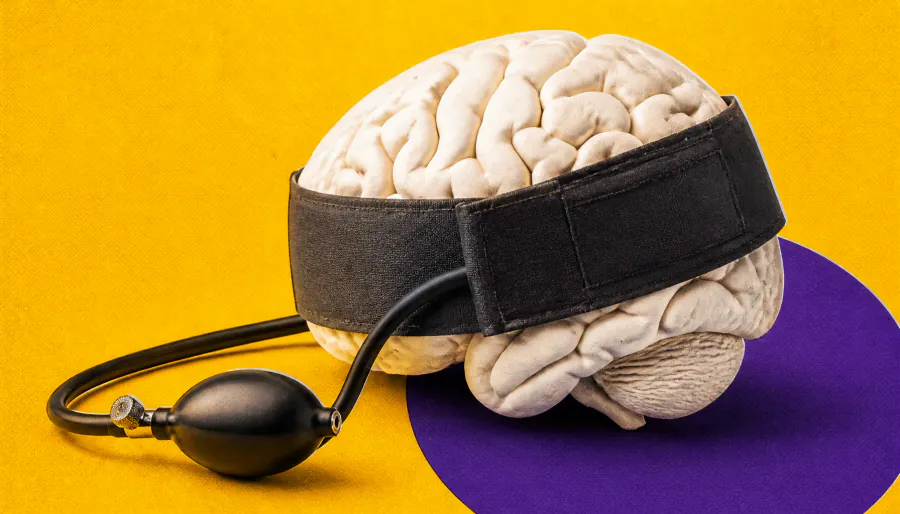
Midlife cardiometabolic risk factors — like high cholesterol, obesity, hypertension, and diabetes — significantly raise the odds of developing dementia and Alzheimer's disease later in life. The good news? Structured lifestyle interventions can meaningfully improve cognitive function, with effects comparable to some drug trials. Experts say even delaying dementia onset carries enormous personal and societal benefits.
What happens to your heart and waistline in your 40s and 50s doesn't stay there — it follows your brain into old age. Research presented at the Cardiometabolic Health Congress in Boston highlights that vascular damage and cardiometabolic risk factors in midlife are strongly linked to dementia and Alzheimer's disease decades later. High BMI, smoking, hypertension, high LDL cholesterol, and diabetes in middle age all stack the odds against cognitive health.
A Lancet commission identified 14 modifiable risk factors — including physical inactivity, depression, hearing loss, and air pollution — that, if controlled, could substantially reduce dementia risk. And the U.S. POINTER study of 2,111 older adults found that structured lifestyle interventions (exercise, the MIND diet, cognitive training) outperformed self-guided approaches in improving cognitive function over two years.
Key Takeaways:
Why it matters: Dementia affects millions globally, and there's no cure. These findings reinforce that the window for intervention opens in midlife — giving clinicians a powerful, actionable toolkit well before symptoms appear.