Curie Brief
Turn on cookies to sign in
Signing in saves your progress to your Curie account. We can only do that with cookies on — turn them on to continue.
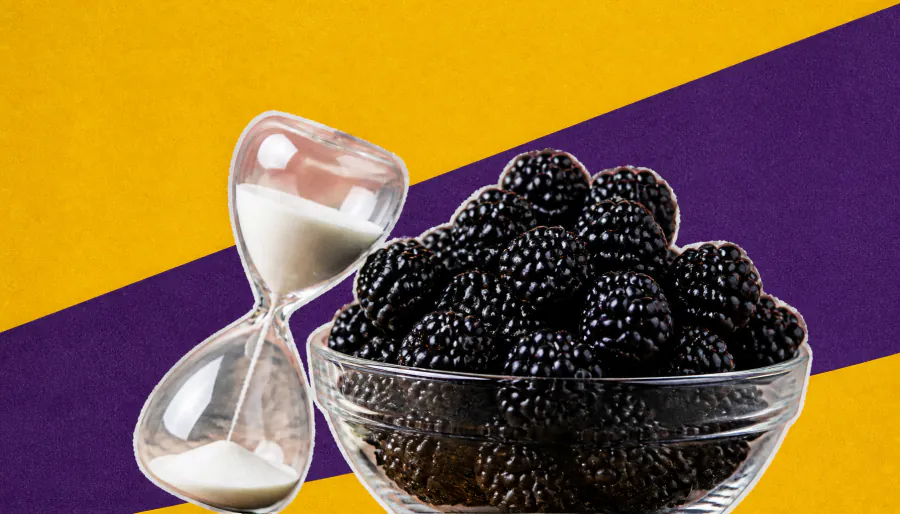
Eating your way to a younger brain might not be science fiction. A 12-year study of over 1,600 adults found that closely following the MIND diet — a hybrid of the Mediterranean and DASH diets — was linked to slower grey matter loss and less brain shrinkage, with the biggest benefit equivalent to 2.5 years of delayed brain aging. Berries and poultry were the standout foods, while sweets and fried fast foods were the villains.
A long-running study published in the Journal of Neurology Neurosurgery & Psychiatry found that adults who closely followed the MIND diet experienced measurably slower brain aging. Tracking 1,647 middle-aged and older adults over an average of 12 years using regular MRI scans, researchers found that higher adherence to the diet was linked to less grey matter loss and slower enlargement of the brain's ventricles — both hallmarks of aging and neurodegeneration.
The MIND diet blends the Mediterranean and DASH (blood pressure-lowering) eating patterns, emphasizing leafy greens, berries, nuts, whole grains, fish, beans, olive oil, and poultry, while limiting red meat, butter, cheese, sweets, and fried foods. Berries and poultry were especially associated with healthier brain structure, while sweets and fried fast foods were tied to greater tissue loss in memory-critical regions like the hippocampus.
Why it matters: With no cure for Alzheimer's or Parkinson's, dietary strategies that can meaningfully slow structural brain changes offer a practical, accessible tool for clinicians and patients alike — especially for older adults or those with lifestyle risk factors.