Curie Brief
Turn on cookies to sign in
Signing in saves your progress to your Curie account. We can only do that with cookies on — turn them on to continue.
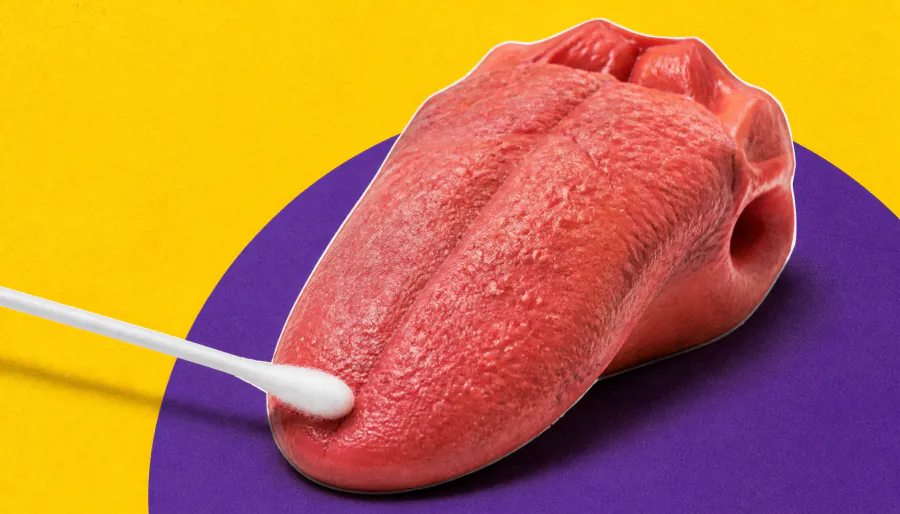
Long COVID's taste disruption finally has a biological explanation. Researchers from the University of Colorado Anschutz found that some post-COVID patients have reduced levels of a key protein — PLCβ2 — that amplifies taste signals for sweet, bitter, and savory flavors. Structural abnormalities in taste bud cells were also discovered, suggesting the problem runs deeper than previously thought.
For some long COVID patients, the inability to taste food isn't just frustrating — it's been a year-long mystery. Now, researchers from the University of Colorado Anschutz and two Swedish universities may have cracked it. Their study, published in Chemical Senses, is the first to provide direct biological evidence linking persistent taste loss to measurable changes inside taste cells.
The culprit? A protein called PLCβ2, which acts as a molecular amplifier for taste signals — specifically for sweet, bitter, and umami flavors. In tissue samples taken from patients with lingering taste issues, researchers found significantly reduced mRNA levels needed to produce this protein. Without enough PLCβ2, those flavor signals simply don't reach the brain with enough strength. Salty and sour tastes, which rely on different signaling pathways, were largely unaffected — explaining the oddly selective nature of the loss. Some patients also showed structural disorganization within their taste bud cells, suggesting the disruption is both molecular and architectural.
By the Numbers:
Why it matters: This research gives clinicians the first concrete biological framework for understanding why taste loss lingers in some post-COVID patients. It also opens the door to potential treatments targeting PLCβ2 restoration — a meaningful step forward for the millions still living with long COVID symptoms.