Curie Brief
Turn on cookies to sign in
Signing in saves your progress to your Curie account. We can only do that with cookies on — turn them on to continue.
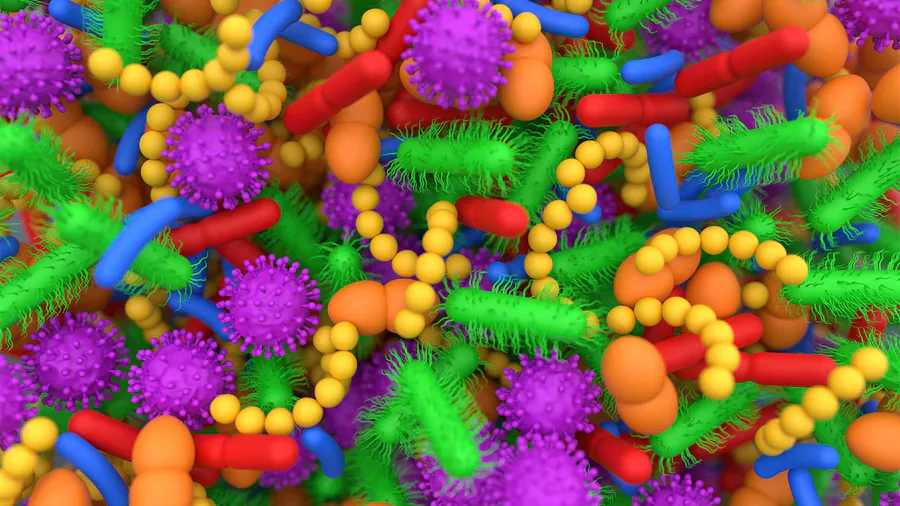
A large UK study found that people with long COVID have significantly altered oral and sputum microbiomes, with the greatest loss of bacterial diversity tied to the most severe symptoms. Shifts toward lactic acid bacteria were also linked to elevated inflammatory markers in the blood. Researchers say the findings could open the door to microbiome-targeted treatments, but causality remains unclear.
A large observational study out of the UK has found that people living with long COVID show markedly different bacterial communities in their mouths and airways — and the more severe the symptoms, the more disrupted those communities appear. Published in the European Respiratory Journal, the study drew on data from 771 adults hospitalized with COVID-19 and assessed their microbiomes via oral rinse and sputum samples at a median of 6 months post-discharge.
Researchers found that bacterial diversity dropped significantly in the most severely impaired patients compared to those with mild symptoms. Specific symptom clusters also mapped to distinct microbiome profiles — reduced lung function and neurocognitive symptoms were linked to oral microbiota changes, while GI symptoms correlated with sputum microbiota shifts. A rise in lactic acid bacteria was tied to higher blood inflammatory markers, suggesting a possible inflammation-microbiome feedback loop.
Key Takeaways:
Why it matters: Long COVID remains a major, poorly understood healthcare burden. If microbiome disruption proves to be a driver — not just a byproduct — of the condition, it could unlock new treatment avenues like probiotics or targeted antibiotics for millions of patients worldwide.