Curie Brief
Turn on cookies to sign in
Signing in saves your progress to your Curie account. We can only do that with cookies on — turn them on to continue.
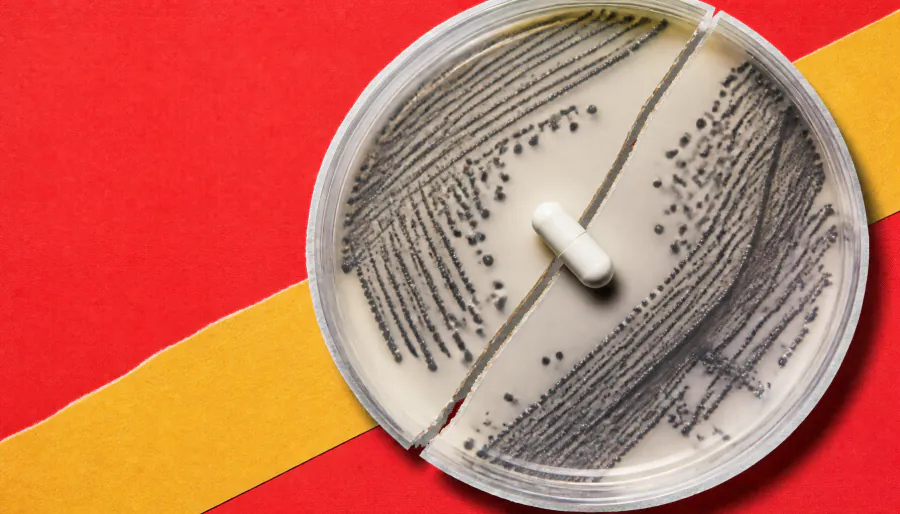
Common sweeteners aren't as passive as we thought. Cambridge scientists tested 39 sweeteners against 25 gut bacteria species and found that about three-quarters of sweeteners disrupted at least one bacterial species. Even more striking: when the sweetener isosteviol was combined with the antidepressant duloxetine, it significantly reduced beneficial gut bacteria and microbial diversity in lab experiments.
Common sweeteners aren't as passive as we thought. Scientists at the University of Cambridge tested 39 sweeteners against 25 gut bacteria species and found that roughly three-quarters of sweeteners disrupted the growth of at least one bacterial species — sometimes stopping it entirely. The effects were even more pronounced when sweeteners were combined with other substances like medications or food additives.
The most striking finding: pairing the sweetener isosteviol with the antidepressant duloxetine strongly suppressed two key gut bacteria (Roseburia intestinalis and Parabacteroides merdae), reduced overall microbial diversity, and triggered changes linked to inflammation and immune responses in lab models. Duloxetine alone is prescribed to over 4.2 million patients annually in the U.S., making this combination worth watching.
By the Numbers:
Why it matters: These lab findings challenge the long-held assumption that low-calorie sweeteners are biologically inert. While human studies are still needed, the research — published in Molecular Systems Biology — signals that everyday combinations of food ingredients and medications may be quietly reshaping the gut microbiome in ways we're only beginning to understand.