Curie Brief
Turn on cookies to sign in
Signing in saves your progress to your Curie account. We can only do that with cookies on — turn them on to continue.
Eating lots of ultra-processed foods (UPFs) overall doesn't raise your colorectal cancer (CRC) risk, a large NIH-AARP study found. But the details matter: processed meat was linked to higher CRC risk, while UPFs rich in whole grains, fiber, dairy, and calcium were actually protective. It's not just about how food is processed — what's in it counts too.
Not all ultra-processed foods are created equal — at least when it comes to colorectal cancer (CRC). A large cohort study published in PLOS Medicine, drawing on data from over 461,000 US adults in the NIH-AARP Diet and Health Study, found no overall link between total UPF intake and CRC incidence over nearly 19 years of follow-up. That's a notable finding given the growing concern around UPFs in public health circles.
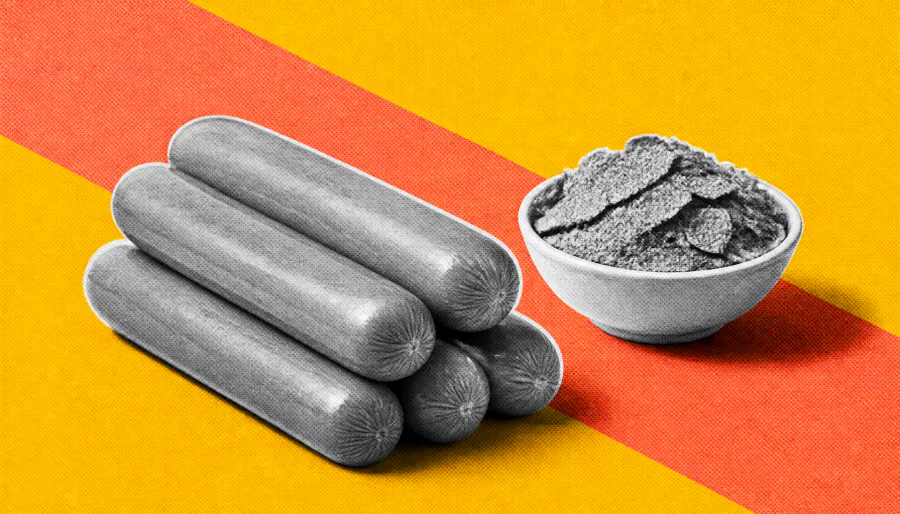
But dig into the subgroups, and the picture gets more nuanced. Processed and reconstituted meats were associated with higher CRC risk, while UPFs that are major sources of whole grains, fiber, dairy, and calcium — think breakfast cereals — were tied to meaningfully lower CRC incidence.
Key Takeaways:
Why it matters: These findings challenge the blanket narrative that all UPFs are harmful and reinforce existing dietary guidance — limit processed meat, prioritize whole grains, fiber, and dairy — as the more actionable message for CRC prevention.