Curie Brief
Turn on cookies to sign in
Signing in saves your progress to your Curie account. We can only do that with cookies on — turn them on to continue.
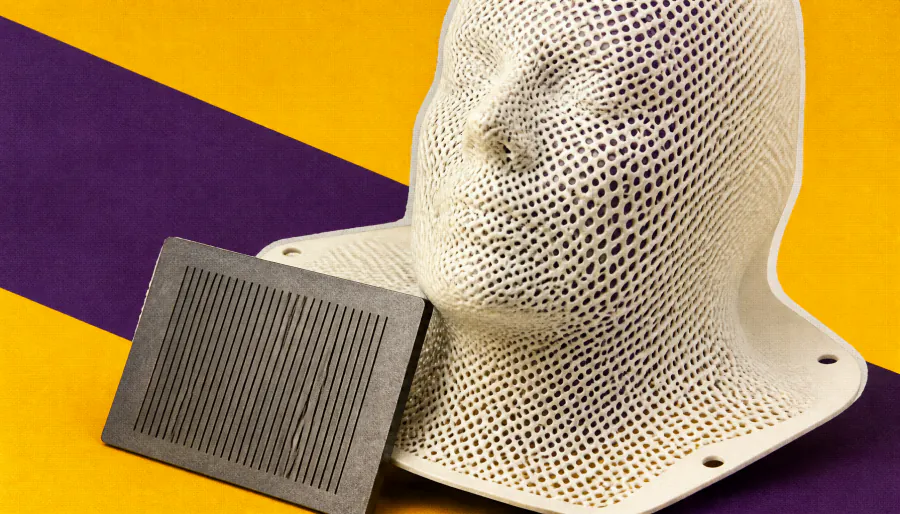
A novel radiation technique called minibeam radiotherapy (MBRT) is showing real promise for patients with superficial skin and soft tissue cancers. In a Mayo Clinic study of 36 patients, 86% experienced symptomatic improvement — even among those who had failed multiple prior treatments. Researchers say the higher radiation doses were well tolerated, with mostly mild side effects.
A new radiation approach called minibeam radiotherapy (MBRT) is turning heads in oncology. The technique delivers alternating high- and low-dose radiation in submillimeter strips using orthovoltage X-rays — a method designed to maximize tumor damage while sparing surrounding healthy tissue. A Mayo Clinic study published in the International Journal of Radiation Oncology, Biology, Physics found that MBRT was well tolerated and produced meaningful symptom relief in patients with superficial cutaneous and soft tissue malignancies.
What makes this especially notable: these were heavily pretreated patients. Nine in ten had received two or more prior systemic therapies, and nearly half had already undergone radiation. Despite that tough starting point, the treatment held its own — with local disease progression at just 11% at 12 months, and some patients even showing responses in untreated lesions (abscopal effect).
By the Numbers:
Why it matters: For patients who've exhausted standard options, MBRT could offer a well-tolerated, effective alternative — and its ability to trigger responses beyond the treated area hints at broader immune-mediated potential worth exploring further.