Curie Brief
Turn on cookies to sign in
Signing in saves your progress to your Curie account. We can only do that with cookies on — turn them on to continue.
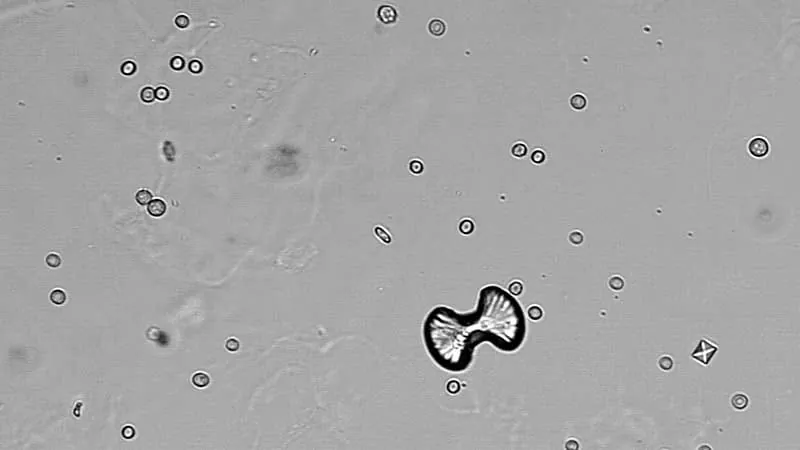
Oxalate testing is on the rise — but most elevated results don't need the dramatic dietary overhaul patients find online. Experts say the first step is confirming whether the right test was even ordered. For most patients without kidney stones or bowel disease, the fix is simpler than a low-oxalate diet: drink more fluids and pair calcium-rich foods with meals.
Oxalate testing in traditional Medicare has climbed 49% since 2013, and patients are increasingly arriving at appointments armed with internet-fueled anxiety and long lists of foods to eliminate. But experts say the first question isn't what to cut — it's whether the right test was ordered in the first place. A routine urinalysis showing calcium oxalate crystals is common and largely unremarkable, while a 24-hour urine collection is what's actually needed to assess oxalate levels meaningfully. Lab reference ranges also vary widely, meaning a result flagged as "high" at one lab may be perfectly normal at another.
For patients without kidney stones, chronic kidney disease, or bowel disease, there's no guideline-backed evidence to support aggressive intervention on an isolated elevated oxalate result. Clinicians should first review supplements — vitamin C, collagen, turmeric, and "superfood" powders are common culprits — and assess dietary calcium intake before recommending any dietary changes.
Key Takeaways:
Why it matters: As oxalate testing grows in popularity — including through functional medicine panels — clinicians need a clear framework to avoid unnecessary dietary restrictions and patient anxiety, while still identifying the minority of patients who genuinely need further evaluation.