Curie Brief
Turn on cookies to sign in
Signing in saves your progress to your Curie account. We can only do that with cookies on — turn them on to continue.
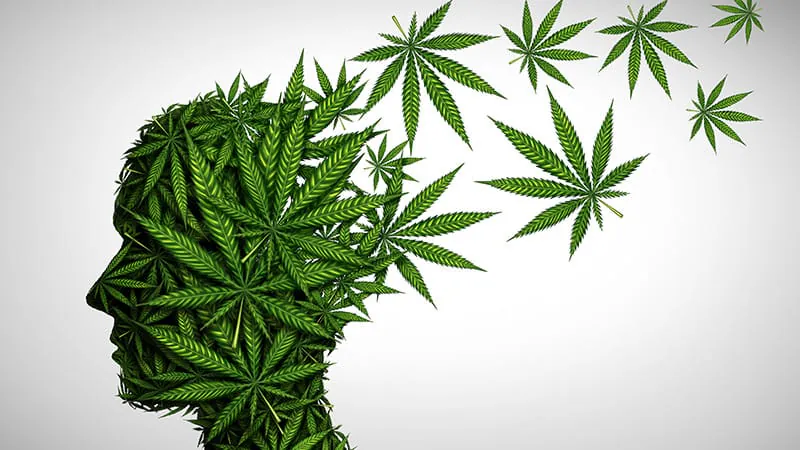
Cannabis use may significantly raise the risk of bipolar disorder. A meta-analysis of 19 longitudinal studies found that cannabis users were more than twice as likely to develop bipolar disorder and nearly twice as likely to experience manic or hypomanic symptoms compared to non-users with no prior history. Researchers say clinicians should routinely screen young patients with emerging mood symptoms for cannabis use.
A large meta-analysis published in the Journal of Affective Disorders is raising fresh concerns about cannabis and mental health. Analyzing 19 longitudinal studies across 11 countries — covering nearly 7 million participants — researchers found that cannabis users were more than twice as likely to develop bipolar disorder (BD) and almost twice as likely to experience manic or hypomanic symptoms compared to non-users, among those with no prior history of the condition.
The findings held across different age groups and definitions of cannabis exposure, from occasional use to cannabis use disorder (CUD). Notably, studies with shorter follow-up periods (≤3 years) showed even stronger associations, suggesting early-onset effects may be particularly pronounced.
While causality can't be confirmed from observational data, the consistency and magnitude of the association are clinically significant. Clinicians are urged to routinely evaluate cannabis use in young patients showing early affective symptoms — and to prioritize prevention strategies that delay initiation and reduce frequent use.