Curie Brief
Turn on cookies to sign in
Signing in saves your progress to your Curie account. We can only do that with cookies on — turn them on to continue.
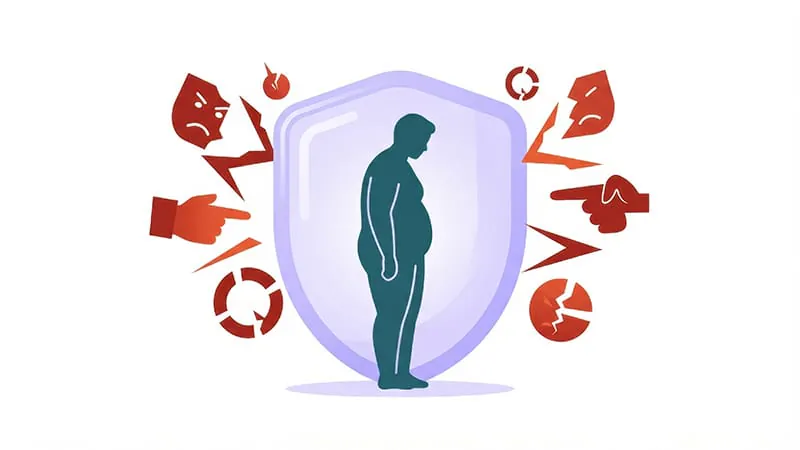
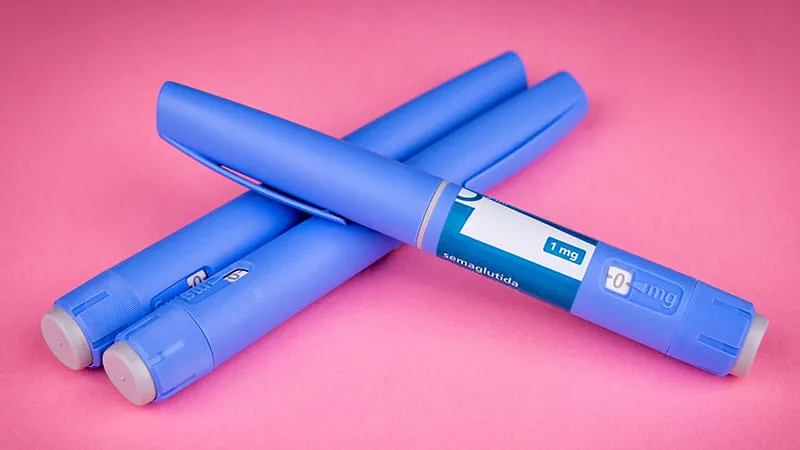
People taking GLP-1 medications for weight loss face a double stigma: judgment for their body size and criticism for using medication to lose weight. A new qualitative study found that this stigma shapes how patients communicate with loved ones and even their clinicians — sometimes leading them to hide their treatment, adjust doses without medical guidance, or seek out alternative providers. Researchers say clinicians can play a key role in breaking the cycle.
GLP-1 medications have become a cultural flashpoint. With roughly 11% of US adults now taking them for weight loss — nearly four times the rate from 2024 — these drugs are everywhere. But so is the backlash. A new qualitative study published in Health Communication found that GLP-1 users frequently face a "double stigma": shame tied to their body size and judgment for choosing medication over "hard work" to lose weight.
Researchers at Florida State University interviewed 34 GLP-1 users and found that many carefully managed who they told about their treatment, often staying silent with friends and family who had made negative comments about weight or the drugs. Some participants even adjusted their doses without medical oversight or sought out telehealth services to avoid stigmatizing interactions with clinicians.
Key Takeaways for HCPs:
Why it matters: When stigma goes unaddressed, patients make healthcare decisions in the shadows — skipping follow-ups, self-adjusting doses, or avoiding their providers altogether. Clinicians who build trust and lead with empathy can help break this cycle and keep patients safer.