Curie Brief
Turn on cookies to sign in
Signing in saves your progress to your Curie account. We can only do that with cookies on — turn them on to continue.
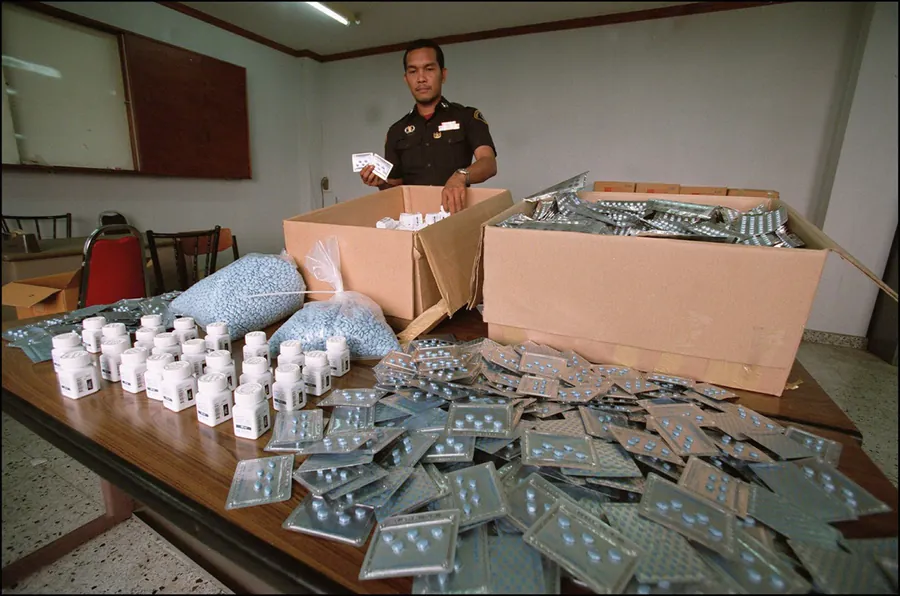
INTERPOL and WHO have signed a landmark cooperation agreement to address threats at the crossroads of public health and security. The deal targets falsified medicines, organ trafficking, biological incidents, and illicit food and drink. Together, the two organizations aim to better protect communities from criminal networks that exploit health systems worldwide.
INTERPOL and the World Health Organization (WHO) have formalized a cooperation agreement designed to tackle the growing overlap between crime and public health. The framework combines INTERPOL's law enforcement expertise with WHO's global health leadership to prevent, detect, and respond to threats that endanger lives across borders.
The agreement covers a wide range of issues — from coordinating responses to biological, chemical, or radioactive incidents, to improving preparedness around major international events and mass gatherings. It also takes direct aim at organ trafficking and the illegal trade in human tissues and cells.
On the illicit trade front, the pact targets falsified medicines, vaccines, and medical devices; counterfeit personal protective equipment; unsafe or fraudulently labelled food and drink; and illegally produced alcohol. Cooperation will also support enforcement of the WHO Framework Convention on Tobacco Control.
Key Takeaways:
Why it matters: Criminal networks increasingly exploit health systems, putting vulnerable populations at risk. This agreement signals a new era of cross-sector collaboration, giving both organizations stronger tools to protect consumers and hold bad actors accountable on a global scale.